Business Logo
Project Overview
In this graphic design project, students will create an original business logo using Adobe Photoshop and/or Adobe Illustrator. Students will develop a brand identity for a real or fictional company and design a professional-quality logo that communicates the company’s purpose, values, and target audience.
This project emphasizes creative problem-solving, typography, color theory, composition, and digital design skills. Students will learn how effective logos balance simplicity, memorability, and versatility.
Objectives
Students will:
* Develop a clear brand concept for a business or organization.
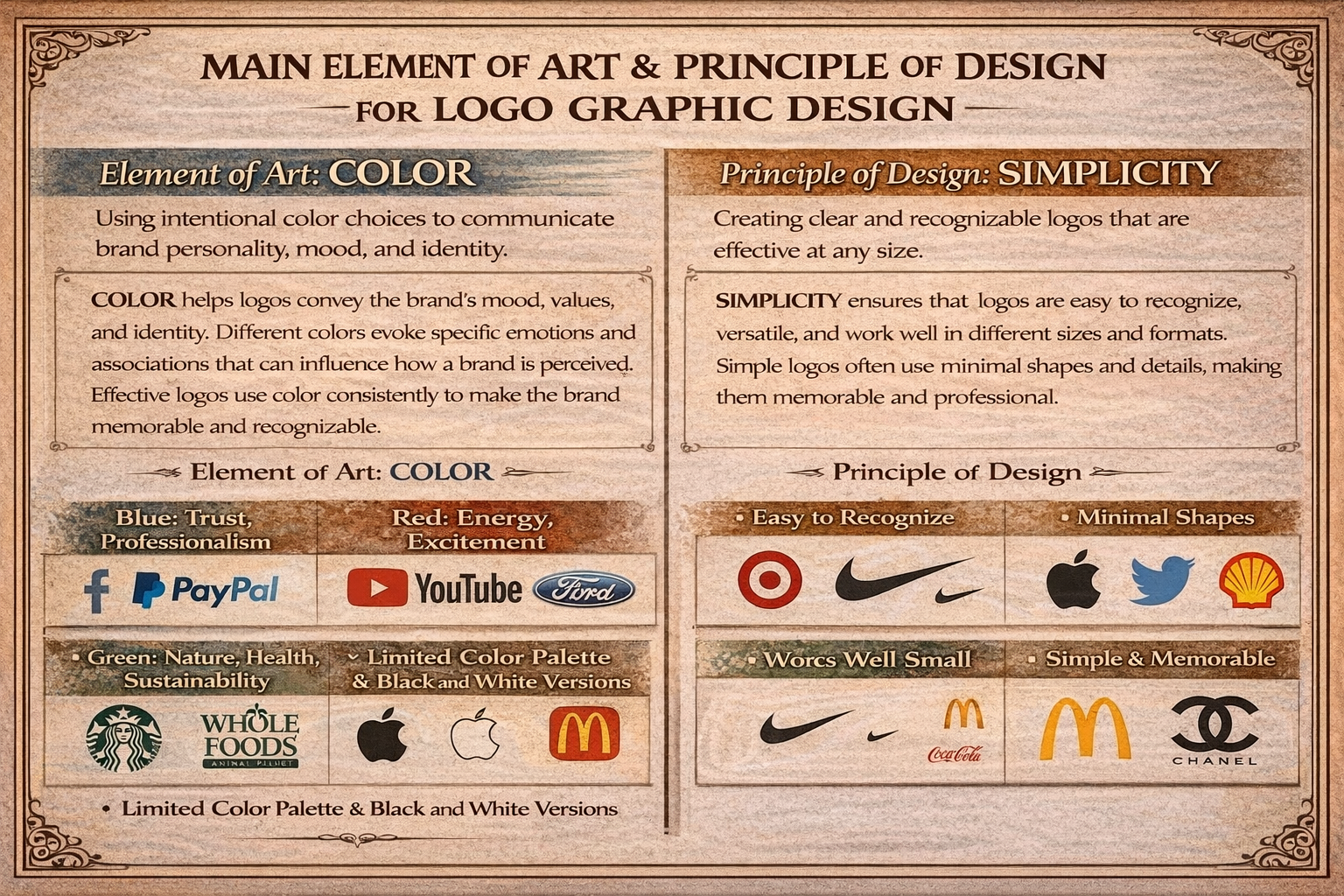
* Apply principles of design (balance, contrast, alignment, hierarchy, simplicity).
* Demonstrate effective typography and font pairing.
* Use color intentionally to communicate mood and brand identity.
* Create scalable, high-resolution digital artwork.
* Present and explain design choices using appropriate design vocabulary.
Materials & Software
* Computer access
* Adobe Illustrator (preferred for vector logo design)
* Adobe Photoshop (for raster-based elements, mockups, or texture work)
* Sketchbook or planning worksheet for brainstorming
* Digital submission platform (as assigned)
Process
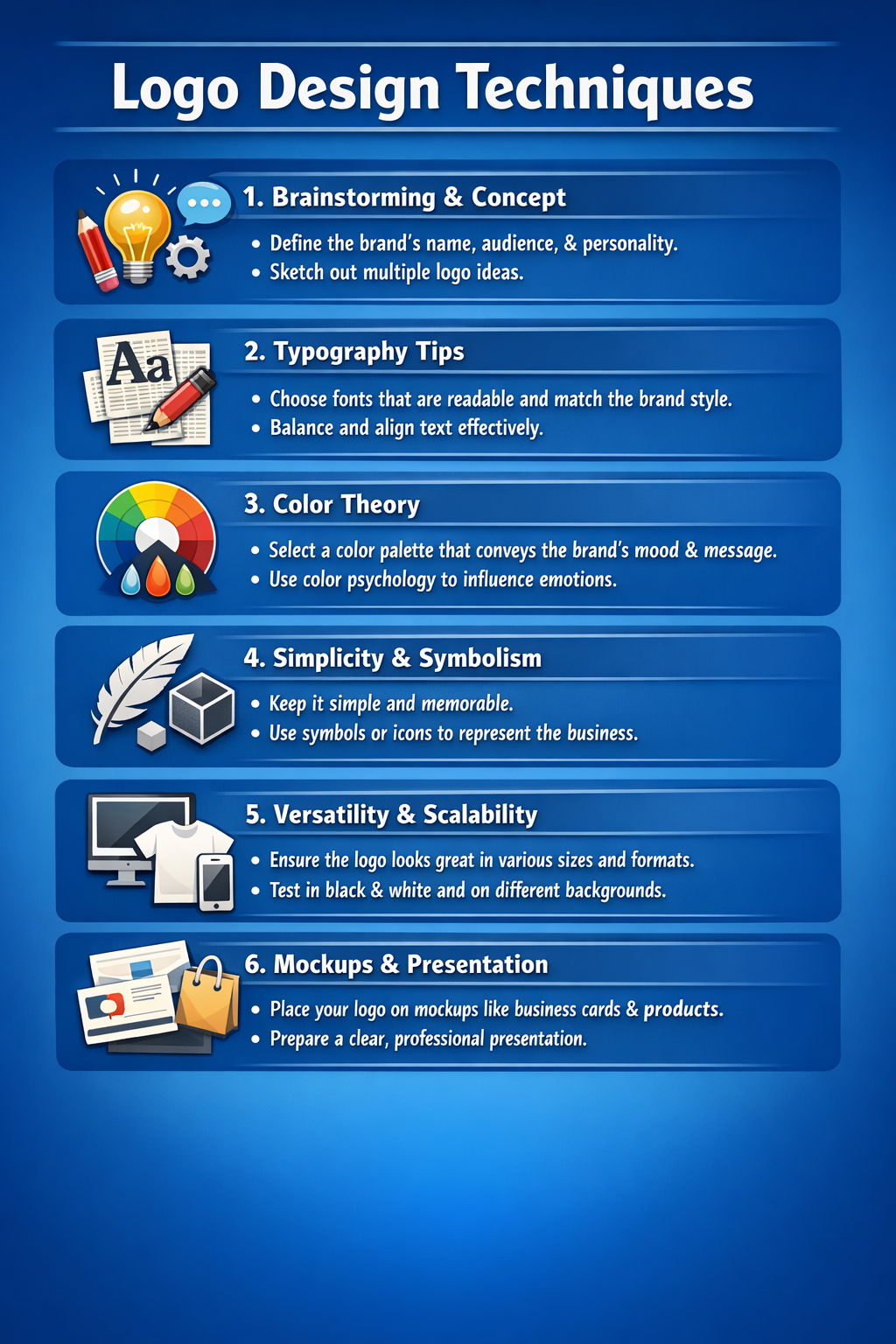
1. Business Concept Development: Create a fictional or real business concept. Define the company name, target audience, and brand personality.
2. Research & Inspiration: Analyze existing logos for design trends, strengths, and weaknesses.
3. Thumbnail Sketches: Produce at least 6–10 small hand-drawn logo ideas.
4. Digital Drafting: Recreate selected concepts digitally in Illustrator (vector format recommended).
5. Color & Typography Refinement: Experiment with font choices, spacing, alignment, and color palettes.
6. Final Design & Mockups: Finalize the logo and apply it to mockups (business card, website header, product packaging, etc.).
7. Presentation: Present the final logo and explain design decisions.
Assessment Criteria
* Strong, original concept
* Effective use of typography
* Appropriate and intentional color choices
* Clean, professional digital execution
* Scalability and versatility of logo design
* Quality of presentation and explanation
Creative Challenge
The most successful logos are often simple yet memorable. Consider how your logo would appear in black and white, at very small sizes, or on different backgrounds. Does it remain clear and recognizable? Aim for a design that is both visually striking and functionally versatile.
This project introduces students to professional branding practices and challenges them to think like designers—creating logos that are not only visually appealing, but purposeful and effective in communicating identity.
Learning Objectives / Student Targets
By the end of this project, students will be able to:
1. Brand Concept Development
* Create a clear brand identity for a real or fictional business.
* Define the company’s purpose, values, target audience, and personality.
Student Targets (I Can Statements)
* I can clearly define a company’s purpose and target audience.
* I can develop a brand personality that guides my design decisions.
* I can research existing logos to inspire and inform my own concept.
2. Principles of Design
* Apply balance, contrast, alignment, hierarchy, and simplicity in logo design.
* Create designs that are visually clear, appealing, and functionally effective.
Student Targets (I Can Statements)
* I can apply design principles to create a visually balanced logo.
* I can use contrast and hierarchy to make my design readable and effective.
* I can simplify my logo for clarity and memorability.
3. Typography & Color
* Demonstrate effective font selection, pairing, and spacing.
* Use color intentionally to convey mood, brand identity, and readability.
Student Targets (I Can Statements)
* I can choose fonts that reflect the brand personality.
* I can apply spacing and alignment to enhance readability.
* I can select colors that support brand values and communicate mood.
4. Digital Production & Scalability
* Create a high-resolution, professional-quality logo using Adobe Illustrator (vector) and/or Photoshop (raster).
* Ensure the logo is scalable, versatile, and works in different sizes and formats.
Student Targets (I Can Statements)
* I can produce a clean digital logo that is professional in appearance.
* I can design a logo that maintains clarity when resized.
* I can export files in appropriate formats for print and digital use.
5. Presentation & Communication
* Present and explain design choices using appropriate visual and design vocabulary.
* Demonstrate the logo in context (mockups, business cards, product packaging, digital media).
Student Targets (I Can Statements)
* I can explain why I made design choices regarding color, typography, and layout.
* I can show how my logo functions in real-world applications.
* I can justify my design decisions using design terminology.
Ohio Fine Arts Standards (Visual Arts)
Creating
Develop a practice of engaging with sources for idea generation.
Students brainstorm business concepts and logo ideas.
Select appropriate creative processes for solutions to artistic problems.
Students plan, sketch, and digitally develop logos using design principles intentionally.
Performing
Refine artisanship while modeling persistence.
Students create polished digital artwork with attention to detail, alignment, clarity, and functionality.
Apply and defend the selection of materials and techniques.
Students use digital tools, typography, and layout strategies intentionally to support brand identity.
Organize elements of art and principles of design to intentionally construct works.
Students apply contrast, hierarchy, balance, scale, and color theory to create effective branding visuals.
Responding
Expand relevant vocabulary to analyze and interpret works of art.
Students analyze logos for effectiveness, readability, and use of design principles.
Develop art criticism methods when responding to artworks.
Students evaluate how their logo communicates brand values, personality, and intended audience.
Apply self-assessment and goal-setting practices to revise artworks and document growth.
Students use rubric criteria to assess clarity, creativity, technical execution, and professional quality, revising based on feedback.
Connecting
Connect universal themes in visual arts to personal life experiences.
Students integrate knowledge of branding, marketing, and visual communication into logo design.
Explore how works of art can impact issues relevant to various communities.
Students consider how logos and branding influence public perception, cultural identity, and communication.
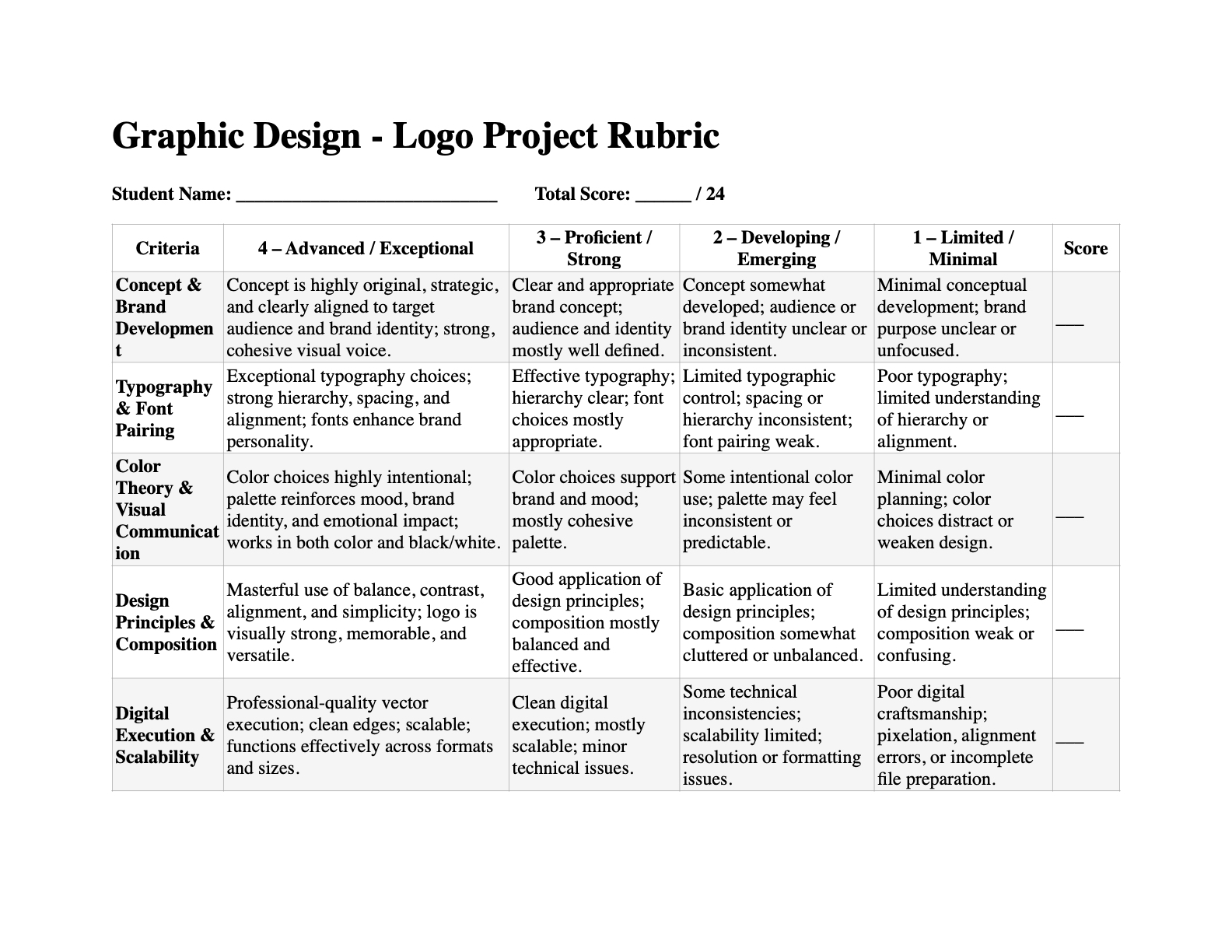
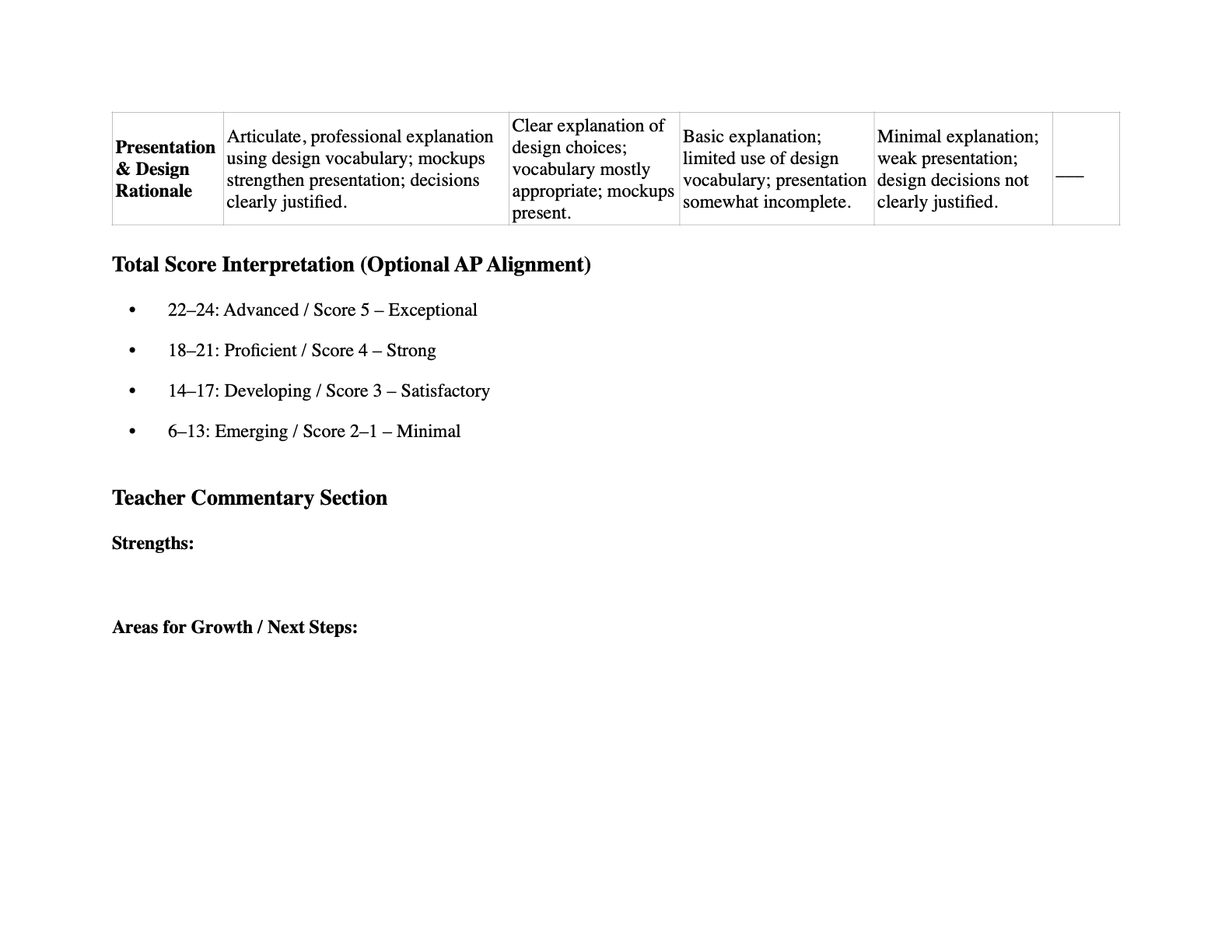
Grading Rubric
Rubrics have become popular with teachers as a means of communicating expectations for an assignment, providing focused feedback on works in progress, and grading final products. A rubric is a document that articulates the expectations for an assignment by listing the criteria, or what counts, and describing levels of quality from excellent to poor.
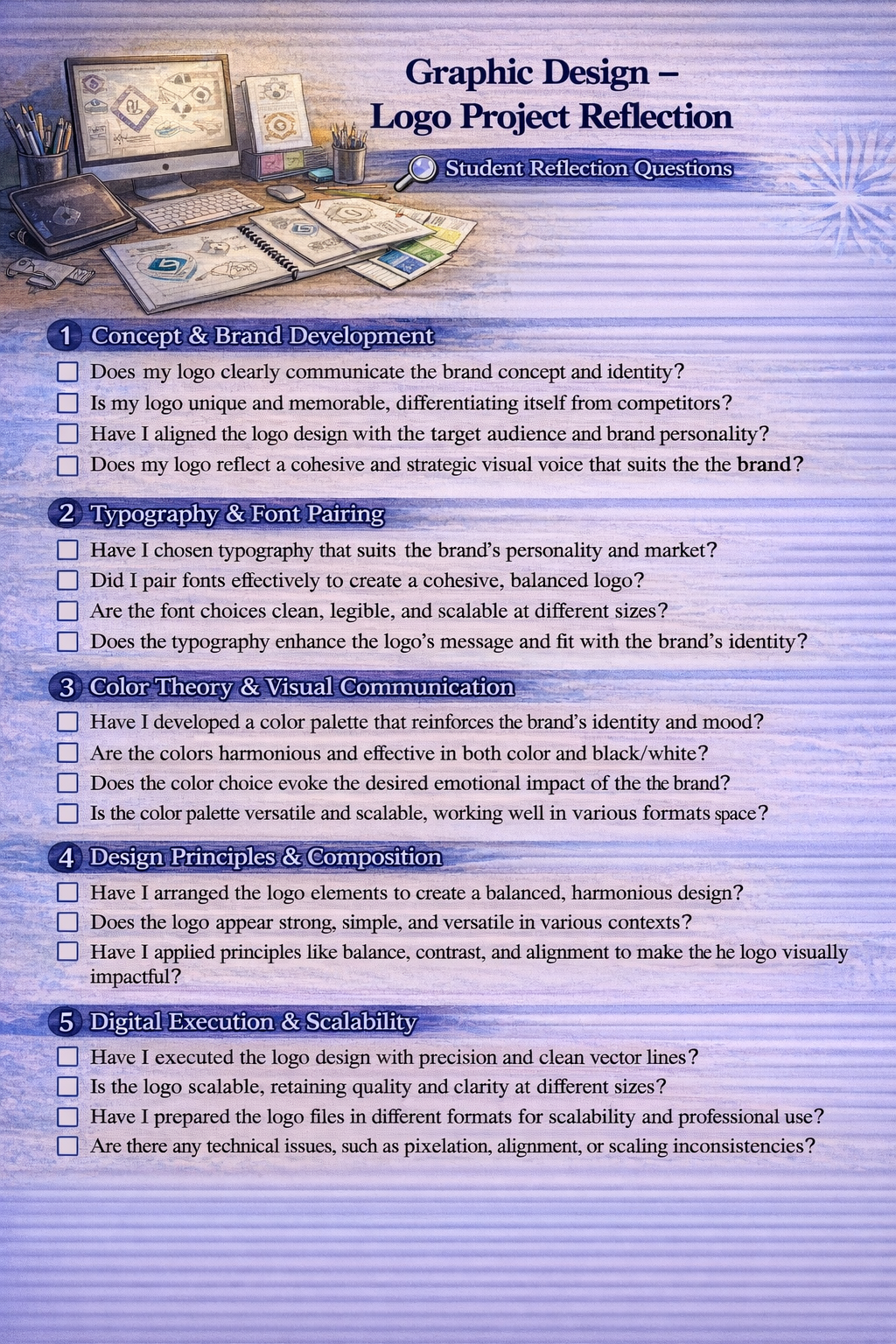
Student Reflection
A student reflection is a brief, thoughtful explanation of how and why a student created their artwork, including the choices they made, challenges they faced, and what they learned during the process. In art, reflection is important because it helps students develop critical thinking, recognize growth, strengthen their creative decision-making, and take ownership of their artistic development.
Element of Art & Principle of Design
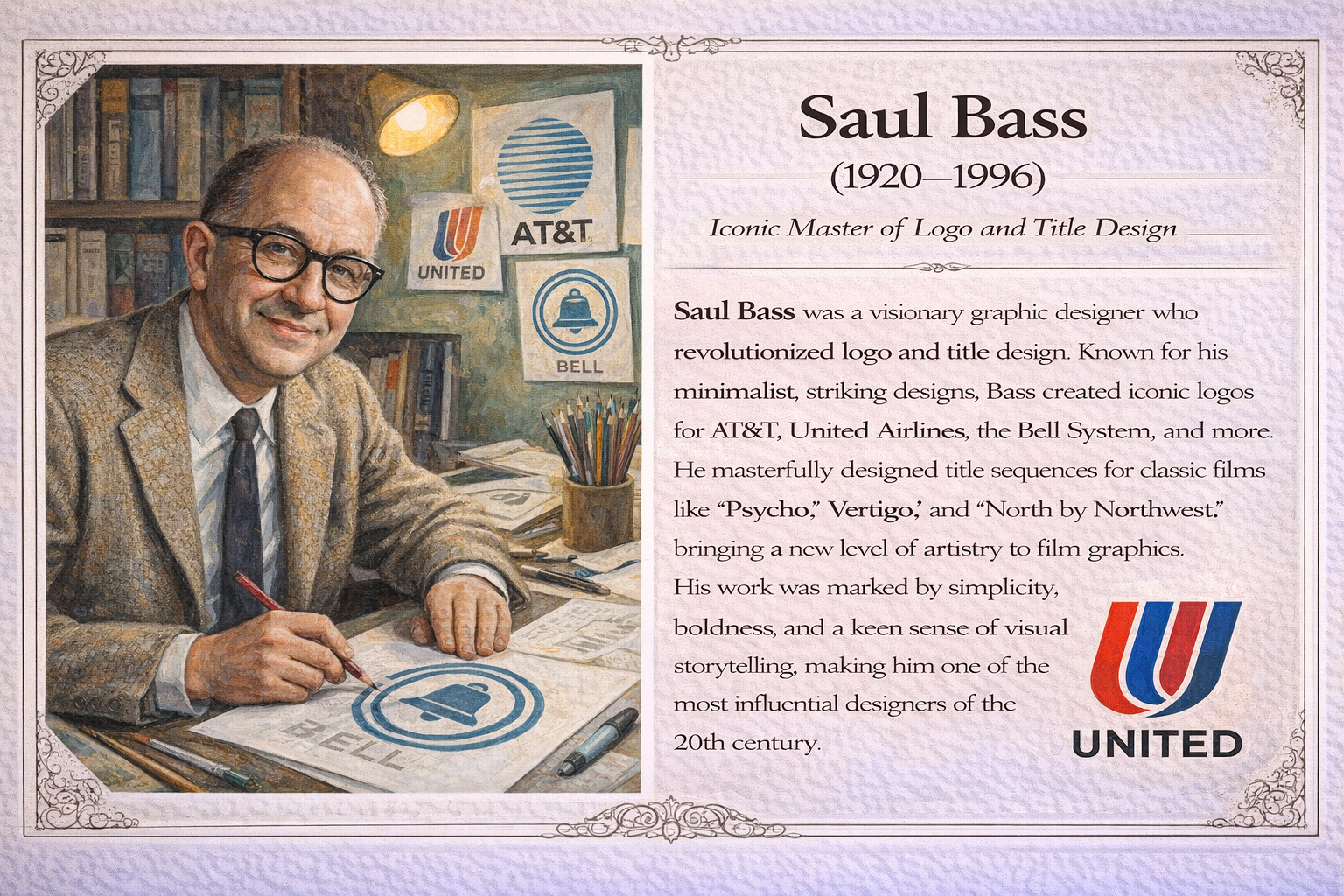
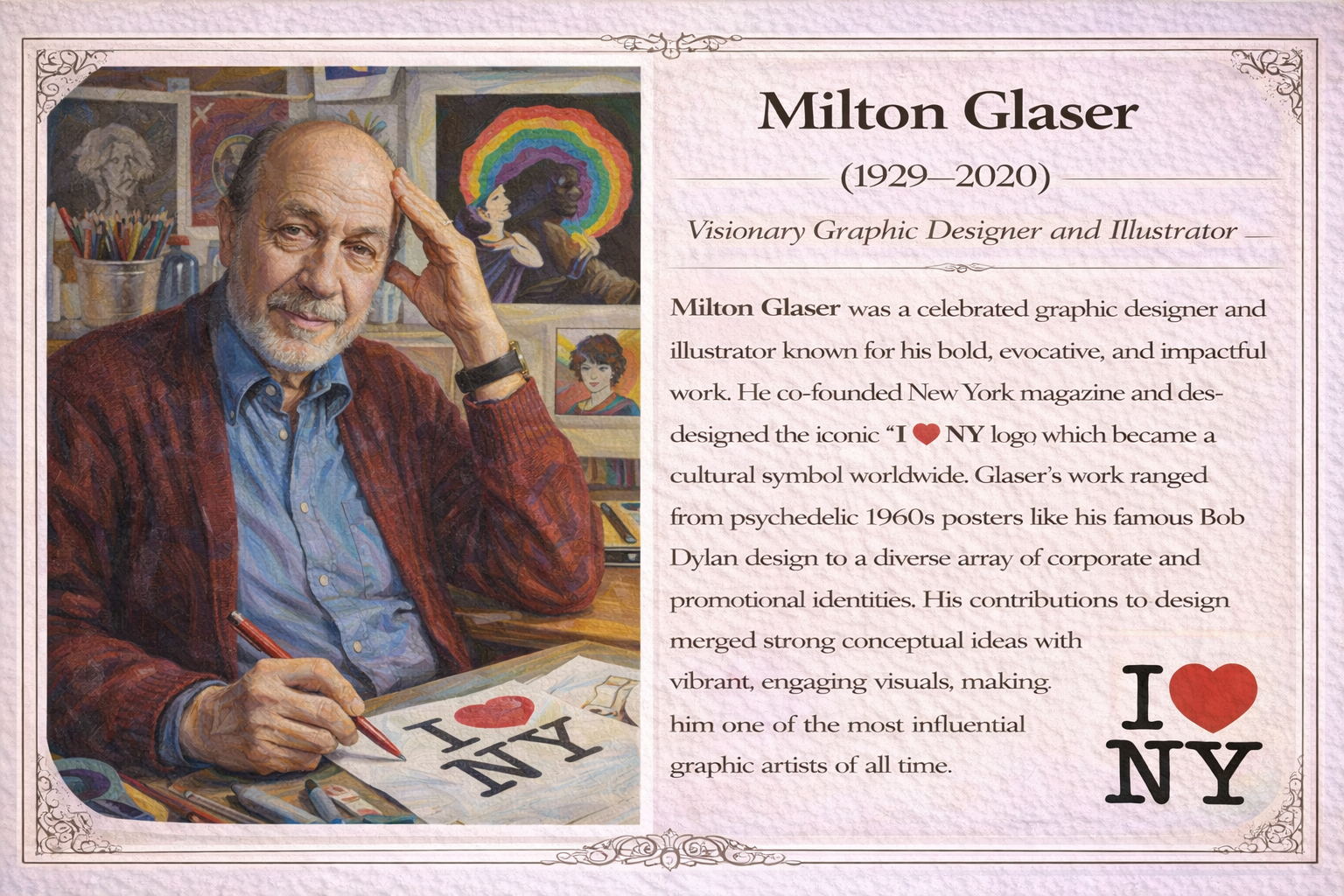
Logo Artists
Techniques
Examples



“Creativity takes courage.”

Cloverleaf High School
Follow Us