Dictionary Word
Project Overview
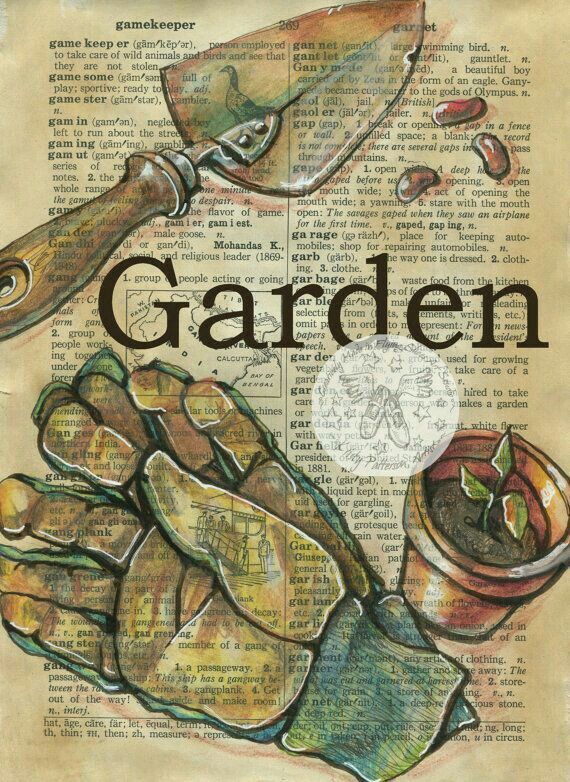
In this conceptual colored pencil project, students will transform a dictionary page into a work of art. Each student will select a word from a removed dictionary page and create an original illustration directly on or around the text that visually represents the meaning of the chosen word.
The final artwork should creatively interact with the printed page—allowing the definition and typography to remain visible while enhancing the word through symbolic, literal, or imaginative imagery. This project combines drawing skills with creative thinking and visual storytelling.
Objectives
Students will:
* Select and interpret a word thoughtfully and creatively.
* Develop imagery that clearly communicates the word’s meaning.
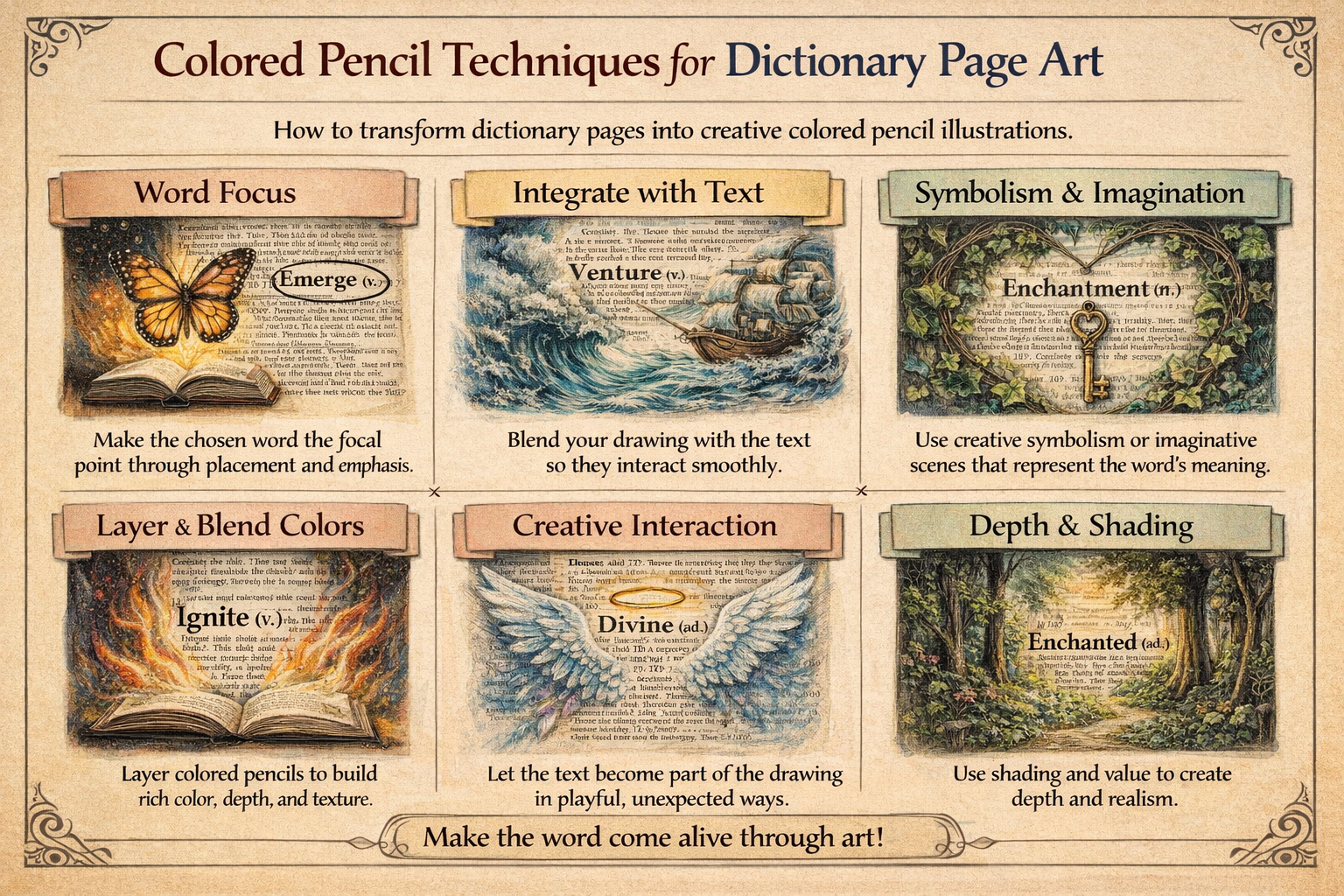
* Demonstrate strong colored pencil techniques (layering, blending, shading).
* Use value and color to create depth and emphasis.
* Integrate text and image into a cohesive composition.
Materials
* Removed dictionary page
* Colored pencils
* Pencil (for planning/sketching)
* Fine liner pen (optional)
* White gel pen (optional for highlights)
Process
1. Word Selection: Carefully review your assigned dictionary page and choose a word that inspires you.
2. Brainstorming: Write down ideas—literal interpretations, symbolic representations, or imaginative scenes.
3. Planning Sketch: Lightly sketch your design, considering how it will interact with the printed text.
4. Color Development: Begin layering colored pencil gradually, building value and blending colors smoothly.
5. Refinement: Add details, shadows, and highlights to enhance realism and visual impact.
6. Final Touches: Ensure the chosen word remains visible and emphasized within the composition.
Assessment Criteria
* Clear visual connection to the chosen word
* Creativity and originality of concept
* Effective use of colored pencil techniques
* Integration of text and imagery
* Craftsmanship and attention to detail
Creative Challenge
Consider how your drawing can physically interact with the page. Could the text become part of the image? Could letters transform into shapes? Think beyond a simple illustration—how can you make the word come alive visually?
This project highlights how language and visual art can work together to communicate meaning in a creative and unexpected way.
Learning Objectives / Student Targets
By the end of this project, students will be able to:
1. Conceptual Thinking & Interpretation
* Select and thoughtfully interpret a word from a dictionary page.
* Translate a word’s literal, symbolic, or imaginative meaning into visual imagery.
Student Targets (I Can Statements)
* I can choose a word that inspires me.
* I can brainstorm visual ideas that reflect the meaning of my word.
* I can make creative decisions to communicate the word visually.
2. Drawing & Colored Pencil Technique
* Demonstrate skillful use of colored pencils, including layering, blending, shading, and value development.
* Apply color and value to create depth, emphasis, and visual interest.
Student Targets (I Can Statements)
* I can layer and blend colored pencils smoothly.
* I can use shading and value to create depth and focus.
* I can use color intentionally to highlight my word or imagery.
3. Text & Image Integration
* Integrate visual imagery with the existing text on the dictionary page.
* Ensure the word and its definition remain visible and meaningful within the composition.
Student Targets (I Can Statements)
* I can plan how my illustration interacts with the printed text.
* I can creatively use letters or text as part of my design.
* I can maintain clarity of the chosen word while enhancing it visually.
4. Composition & Creativity
* Create a cohesive, visually engaging composition that balances text and illustration.
* Demonstrate originality and personal expression in concept and execution.
Student Targets (I Can Statements)
* I can arrange text and image to form a unified composition.
* I can use creative ideas to make my word “come alive.”
* I can experiment with literal, symbolic, or abstract approaches.
5. Craftsmanship & Presentation
* Demonstrate careful application of colored pencils and attention to detail.
* Present a polished and complete final piece that communicates meaning clearly.
Student Targets (I Can Statements)
* I can work neatly and precisely with colored pencils.
* I can finalize details, highlights, and shadows.
* I can ensure my artwork is visually polished and complete.
Ohio Fine Arts Standards (Visual Arts)
Creating (CR)
Develop a practice of engaging with sources for idea generation.
Students brainstorm and design an illustration that reflects the meaning of a chosen word.
Select appropriate creative processes for solutions to artistic problems.
Students plan composition, layering, and the integration of text and imagery to communicate meaning effectively.
Refine artisanship while modeling persistence.
Students apply colored pencil techniques with control, neatness, and attention to detail.
Apply self-assessment and goal-setting practices to revise artworks and document growth.
Students adjust highlights, shading, and details to enhance visual impact and meaning.
Performing (PE)
Organize elements of art and principles of design to intentionally construct works.
Students intentionally organize typography, imagery, contrast, and space to strengthen communication.
Responding (RE)
Expand relevant vocabulary to analyze and interpret works of art.
Students assess how effectively imagery communicates meaning and interacts with text.
Develop art criticism methods when responding to artworks.
Students explain design choices and how their illustration enhances or complements the word.
Apply self-assessment and goal-setting practices to revise artworks and document growth.
Students use rubric criteria to evaluate creativity, integration, and technical skill.
Connecting (CO)
Connect universal themes in visual arts to personal life experiences.
Students incorporate personal insights, cultural references, or imaginative ideas into their illustration.
Explore how works of art can impact issues relevant to various communities.
Students reflect on how language and imagery communicate meaning across social and cultural contexts.
Grading Rubric
Rubrics have become popular with teachers as a means of communicating expectations for an assignment, providing focused feedback on works in progress, and grading final products. A rubric is a document that articulates the expectations for an assignment by listing the criteria, or what counts, and describing levels of quality from excellent to poor.


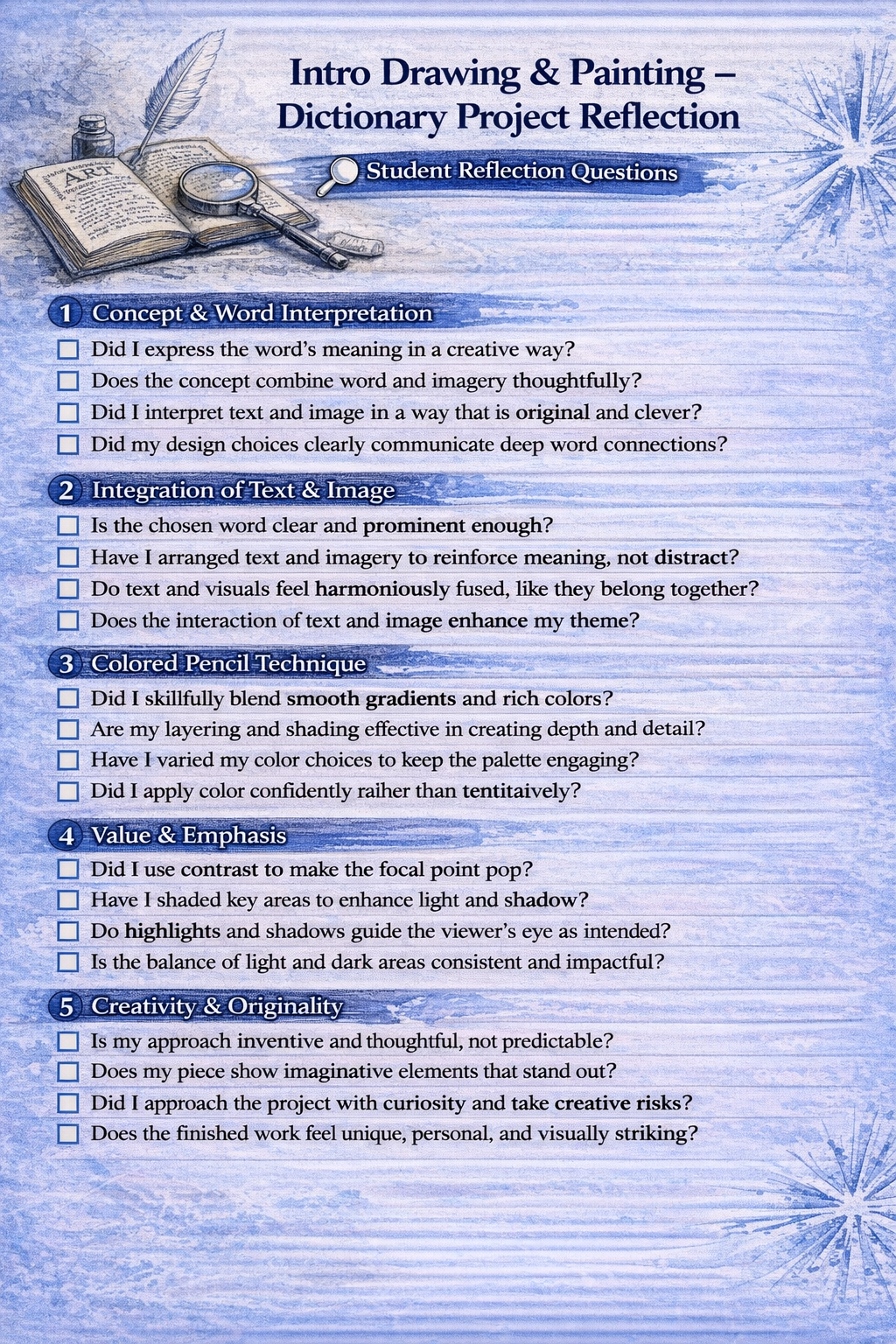
Student Reflection
A student reflection is a brief, thoughtful explanation of how and why a student created their artwork, including the choices they made, challenges they faced, and what they learned during the process. In art, reflection is important because it helps students develop critical thinking, recognize growth, strengthen their creative decision-making, and take ownership of their artistic development.
Element of Art & Principle of Design

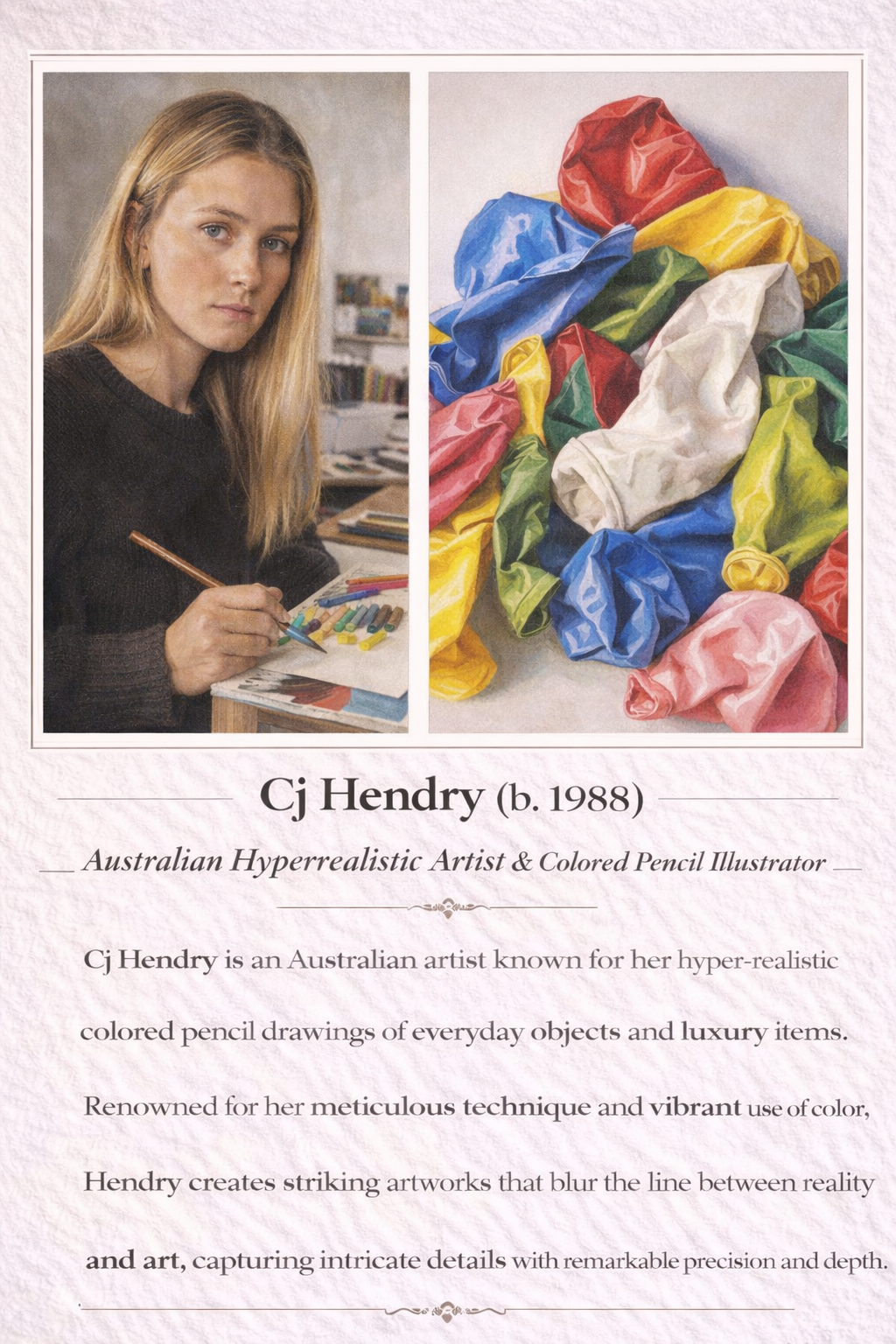
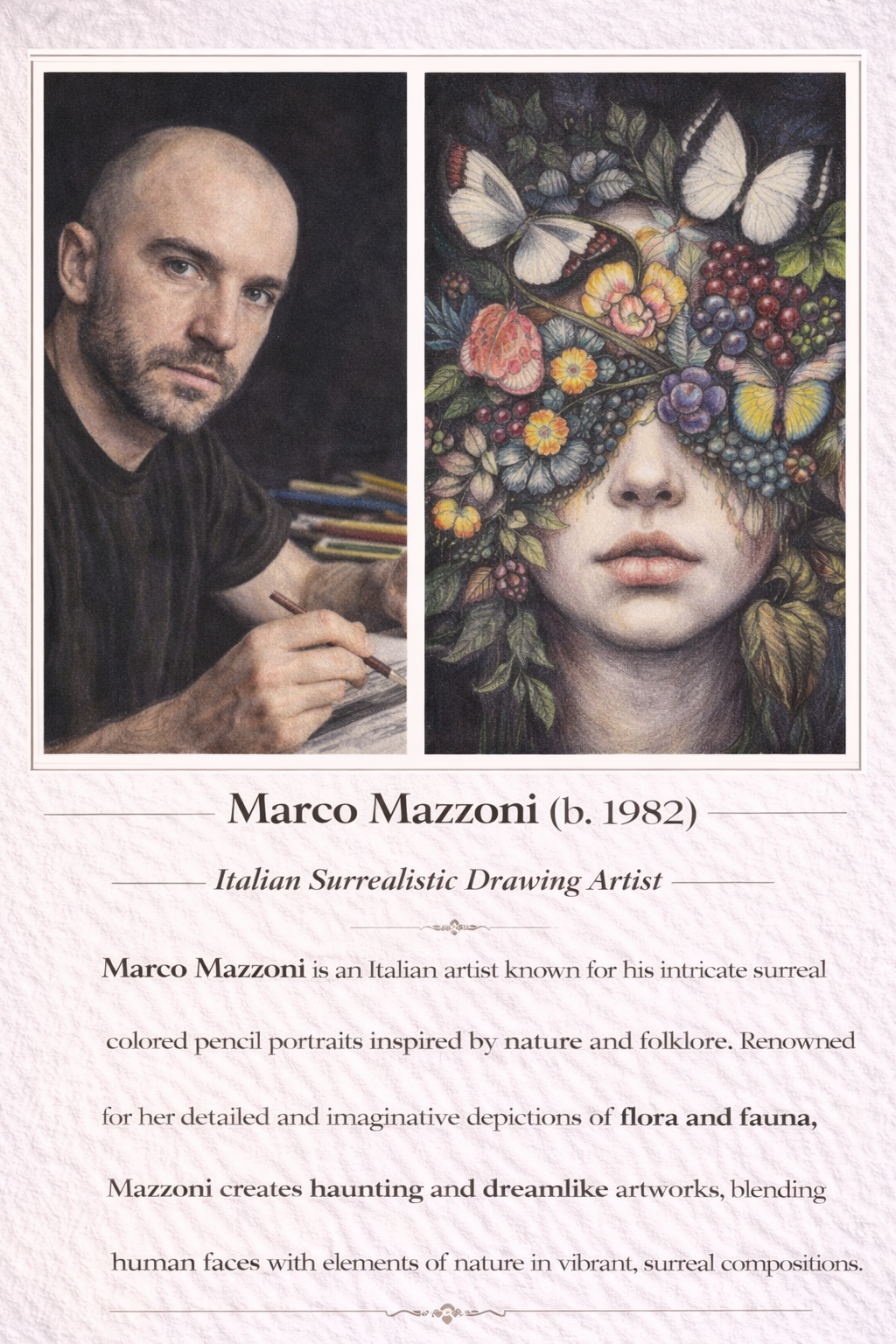
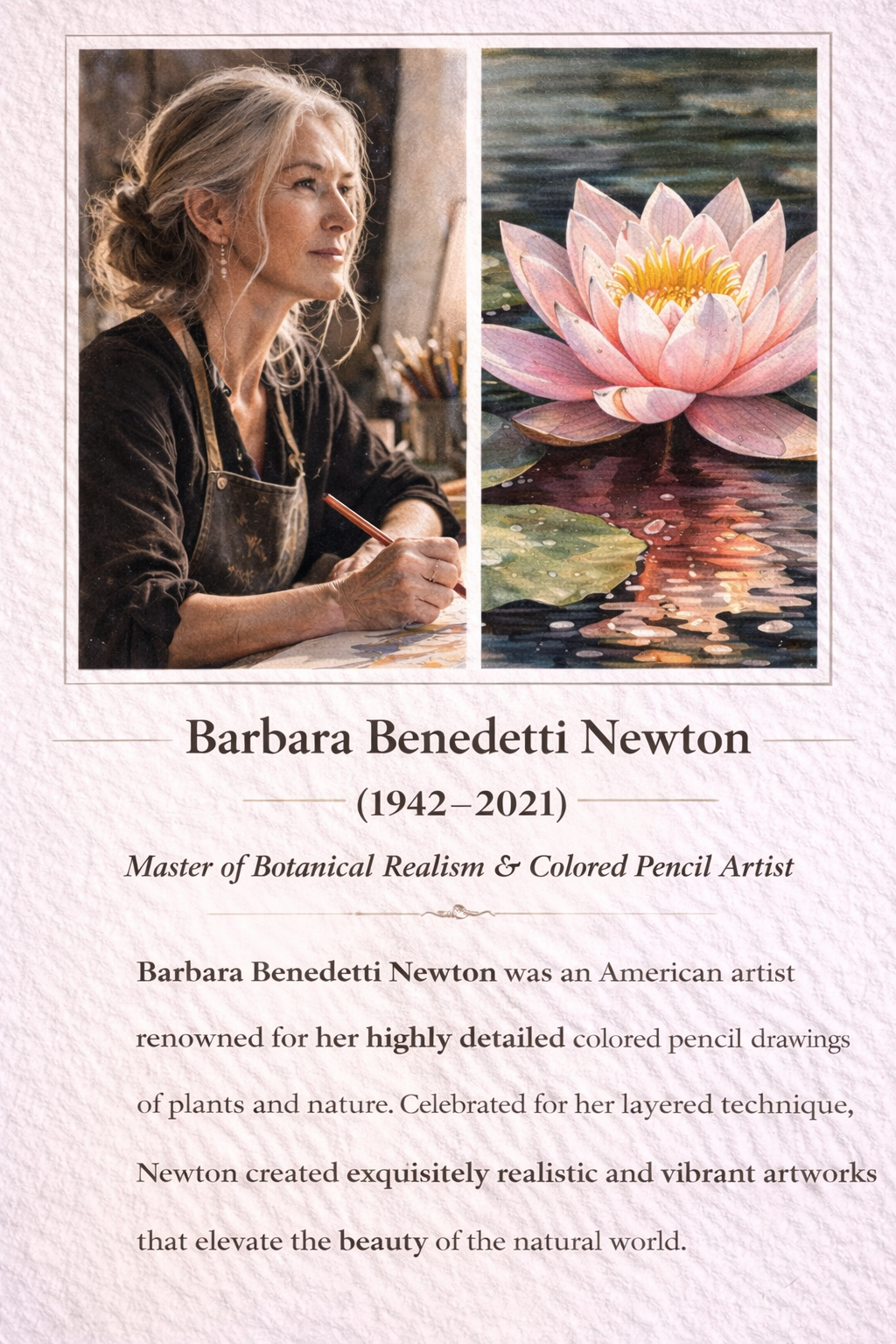
Color Pencil Artists
Techniques
Examples


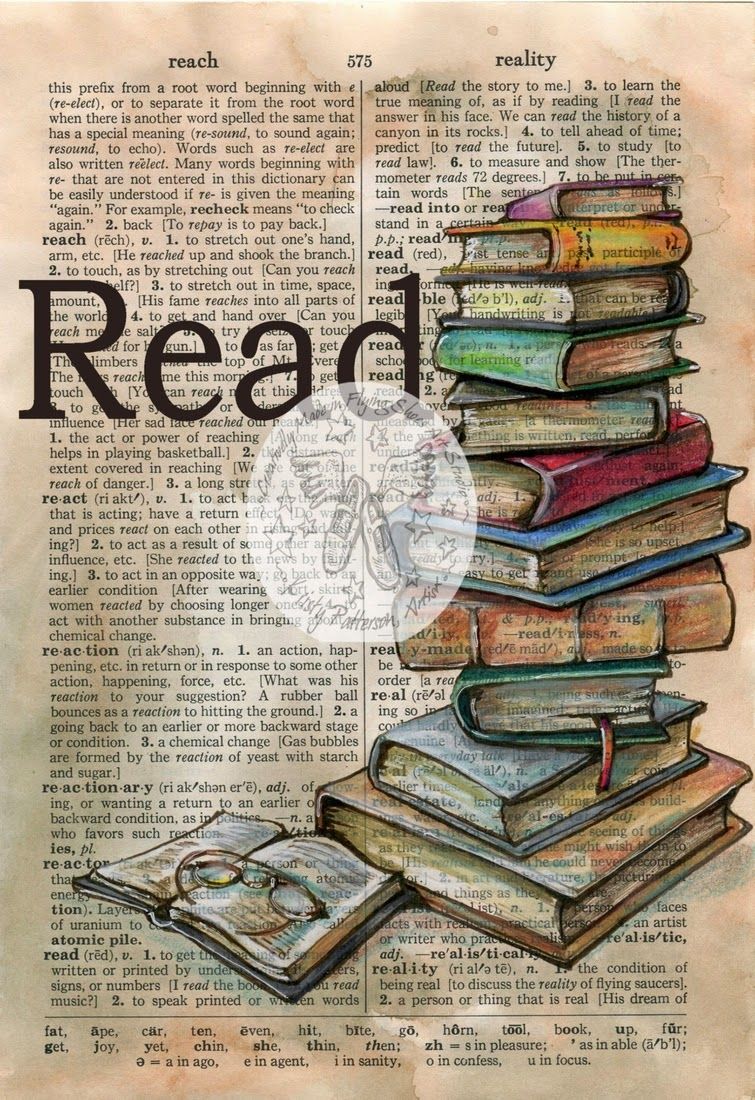

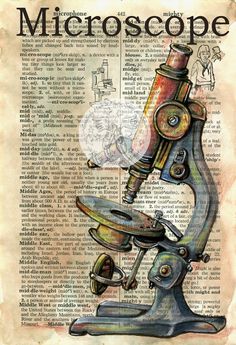

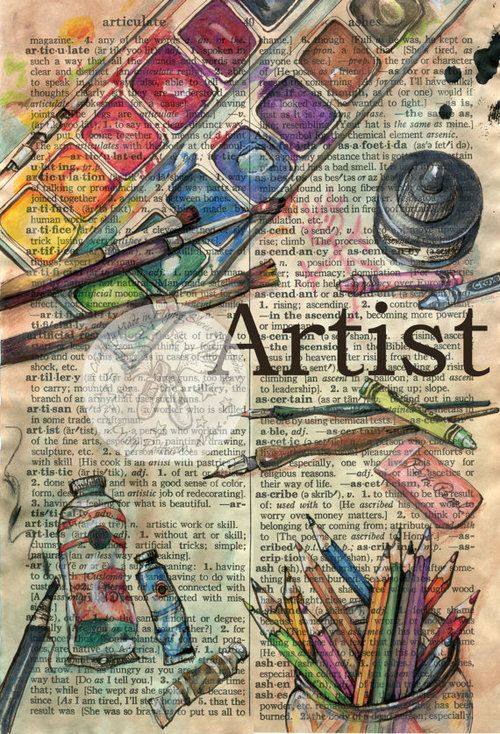


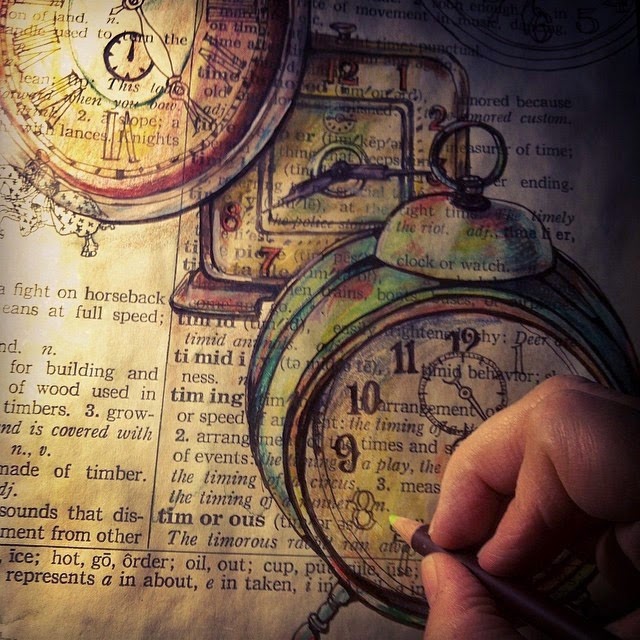
“Creativity takes courage.”
Cloverleaf High School
Follow Us