Children’s Book
Project Overview
In this assignment, students will create a fully illustrated children’s book concept. Students will develop an original story (or reinterpret a public domain tale) and produce a cohesive series of 5–10 finished illustrations that visually bring the narrative to life.
Each student will explore how imagery enhances storytelling through character design, setting, mood, composition, and visual pacing. This project emphasizes narrative development, technical skill, creative voice, and thoughtful integration of text and image while encouraging students to think critically about audience, style, and visual communication.
Objectives
Students will:
* Develop a clear narrative suitable for a children’s audience.
* Create original characters and environments that support the story.
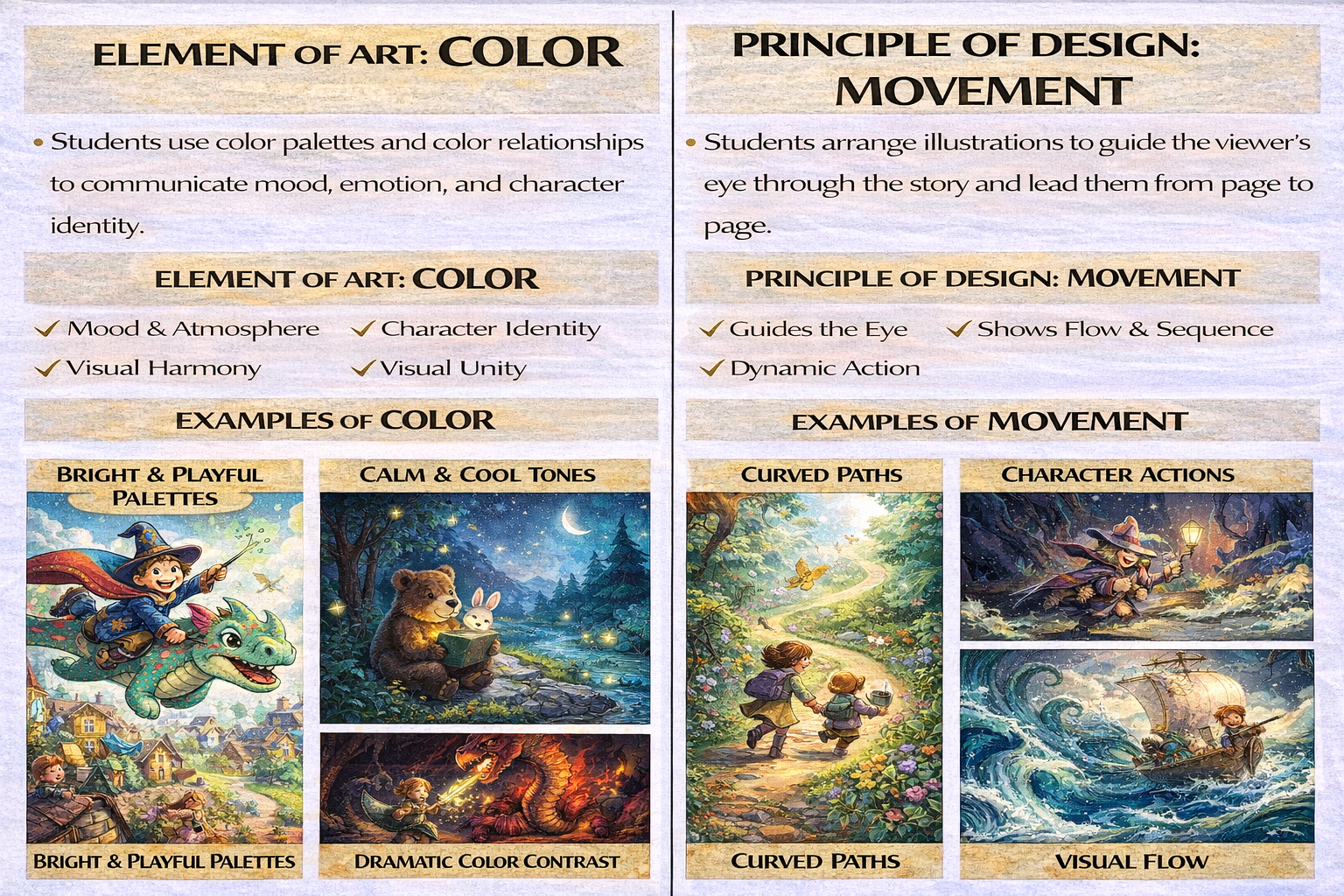
* Apply principles of art and design (composition, color theory, balance, contrast, emphasis, movement, space).
* Demonstrate technical proficiency in their chosen medium.
* Sequence illustrations effectively to enhance storytelling and pacing.
* Experiment with stylistic choices appropriate for genre and age group.
* Present a cohesive, polished final book concept.
Materials & Tools
Students may choose from a wide range of media, including but not limited to:
* Drawing media (graphite, colored pencil, ink, charcoal, marker)
* Painting media (watercolor, acrylic, gouache, oil)
* Printmaking techniques
* Mixed media or collage
* Digital illustration tools (Procreate, Adobe Illustrator, Photoshop, etc.)
* Sketchbook for planning and concept development
Final presentation may be digital mock-up, printed book format, or professionally mounted boards.
Process
1. Concept Development:
Develop an original children’s story or adapt a public domain tale. Define the target age group and consider theme, message, tone, and moral (if applicable).
2. Character & Setting Design:
Create character studies, expression sheets, and environment sketches. Consider personality, scale, and visual consistency.
3. Storyboard & Planning:
Plan the sequence of 5–10 key illustrations. Determine pacing, page turns, focal points, and how text will interact with imagery.
4. Style Exploration:
Experiment with color palettes, media techniques, and illustration styles that best support the story’s mood and audience.
5. Final Illustration Production:
Complete polished illustrations with attention to craftsmanship, composition, and visual storytelling.
6. Text Integration & Presentation:
Add text thoughtfully (if included), ensuring it complements rather than overwhelms the imagery. Present the final work as a cohesive children’s book concept.
Assessment Criteria
* Clarity and strength of narrative
* Consistency and development of characters and setting
* Technical execution and craftsmanship in chosen medium
* Effective use of composition, color, and design principles
* Creativity, originality, and engagement for intended audience
* Cohesion and professionalism of final presentation
Consider:
How does your illustration style support the age group you are targeting? How can color, scale, exaggeration, and perspective enhance emotion or humor? How do page composition and page turns build anticipation? Think about how each illustration functions independently while also contributing to the overall narrative arc.
This project emphasizes that illustration is not just about creating beautiful images—it is about storytelling, audience engagement, and the thoughtful integration of visual language and narrative structure.
Learning Objectives / Student Targets
Narrative Development & Visual Storytelling
* Develop a cohesive and engaging children’s story with a clear beginning, middle, and end.
* Communicate character, setting, conflict, and resolution primarily through imagery.
* Create illustrations that function independently while contributing to an overall narrative arc.
Character & Environment Design
* Design expressive, visually consistent characters that reflect personality and development.
* Create immersive environments that establish mood, context, and sense of place.
* Demonstrate understanding of scale, perspective, and spatial relationships within illustrated scenes.
Material & Technical Skill
* Demonstrate control and craftsmanship in a chosen medium (traditional or digital).
* Apply principles of color, value, line, and texture to create depth and visual interest.
* Use layering, blending, and detail refinement techniques appropriate to the selected media.
Integration of Text & Image
* Thoughtfully integrate text and illustration to enhance clarity and pacing.
* Design compositions that allow space for typography without compromising visual impact.
* Make intentional decisions about when imagery leads the narrative versus when text supports it.
Composition & Design
* Organize visual elements to demonstrate balance, contrast, emphasis, movement, and unity.
* Guide the viewer’s eye through strategic use of color, framing, perspective, and focal points.
* Sequence illustrations effectively to control pacing, page turns, and narrative tension.
Creative & Critical Thinking
* Experiment with stylistic approaches and take creative risks appropriate for a children’s audience.
* Make purposeful artistic decisions that support theme, tone, and intended age group.
* Solve visual storytelling challenges through revision and thoughtful problem-solving.
Reflection & Artistic Growth
* Articulate artistic intent, stylistic influences, and storytelling choices during critique.
* Evaluate strengths and areas for growth in both narrative clarity and technical execution.
* Demonstrate increased confidence in combining narrative thinking with advanced artistic skill.
Ohio Fine Arts Standards (Visual Arts)
Creating
CE.1HSIII – Generate and conceptualize artistic ideas and work.
* Students develop an original children’s book concept, including narrative structure, character design, and thematic direction.
CE.2HSIII – Organize and develop artistic ideas and work.
* Students plan, storyboard, and refine illustrations, applying advanced design principles and media techniques to communicate a cohesive visual narrative.
CE.3HSIII – Refine and complete artistic work.
* Students revise illustrations through critique and self-assessment, demonstrating craftsmanship and technical control in a chosen medium.
Presenting / Producing
PR.4HSIII – Select, analyze, and interpret artistic work for presentation.
* Students evaluate sequencing, layout, and integration of text and image to effectively present a children’s book concept.
PR.5HSIII – Develop and refine artistic techniques and work for presentation.
* Students prepare a polished final series of illustrations that demonstrate unity, consistency, and professional-level presentation.
PR.6HSIII – Convey meaning through the presentation of artistic work.
* Students present their illustrated book concept in a format (digital mock-up, printed book, mounted boards) that enhances narrative clarity and audience engagement.
Responding
RE.7HSIII – Perceive and analyze artistic work.
* Students analyze children’s book illustrations and visual storytelling techniques to inform their own artistic decisions.
RE.8HSIII – Interpret intent and meaning in artistic work.
* Students explain how visual elements (color, composition, character design, pacing) communicate mood, theme, and meaning.
RE.9HSIII – Apply criteria to evaluate artistic work.
* Students participate in critique, using established criteria (narrative clarity, technical skill, design effectiveness) to evaluate their own and peers’ work.
Connecting
CO.10HSIII – Synthesize and relate knowledge and personal experiences to make art.
* Students draw upon personal experiences, imagination, and cultural references to develop authentic, engaging narratives.
CO.11HSIII – Relate artistic ideas and works with societal, cultural, and historical context.
* Students consider audience, genre conventions, and the historical role of illustration in children’s literature when developing their book concept.
Grading Rubric
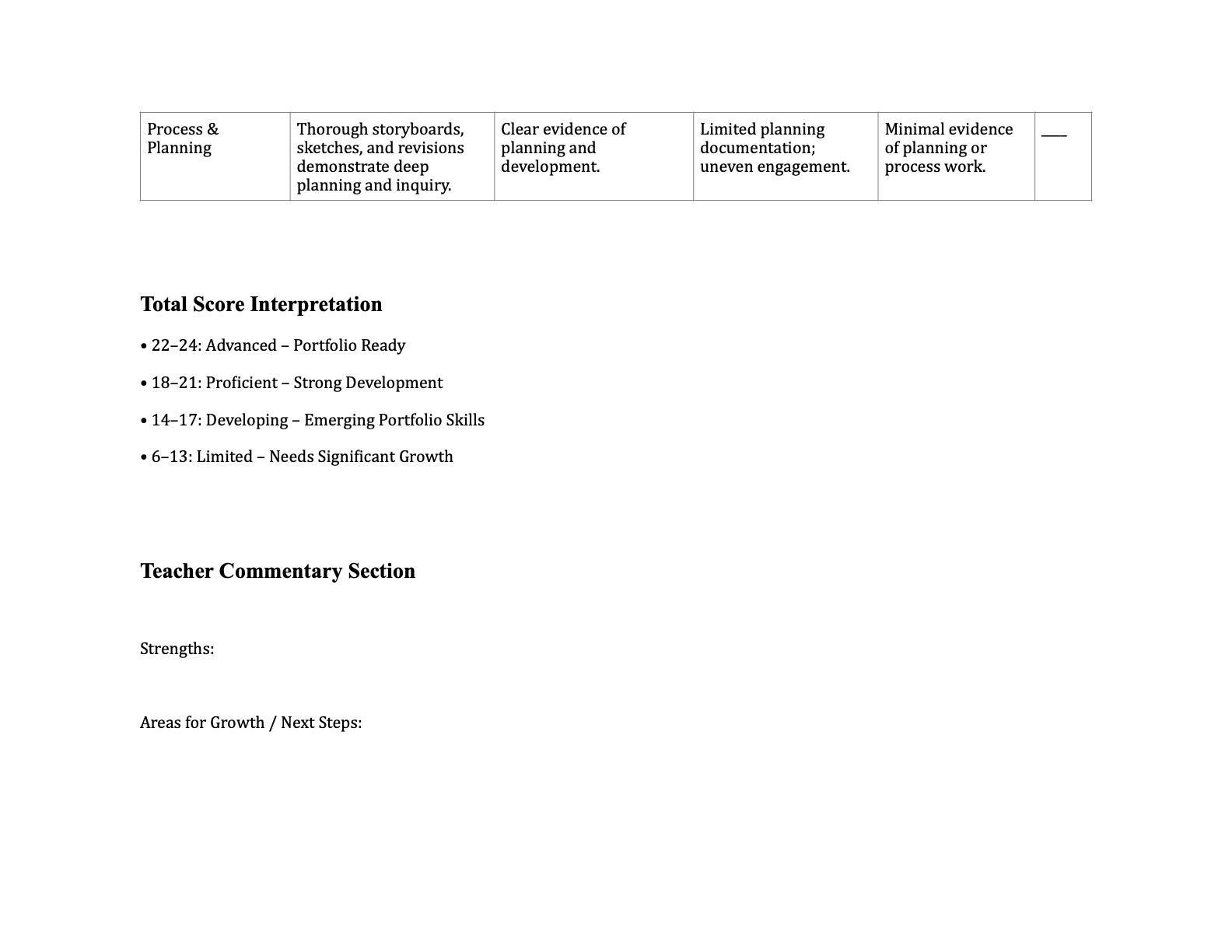
Rubrics have become popular with teachers as a means of communicating expectations for an assignment, providing focused feedback on works in progress, and grading final products. A rubric is a document that articulates the expectations for an assignment by listing the criteria, or what counts, and describing levels of quality from excellent to poor.

Student Reflection
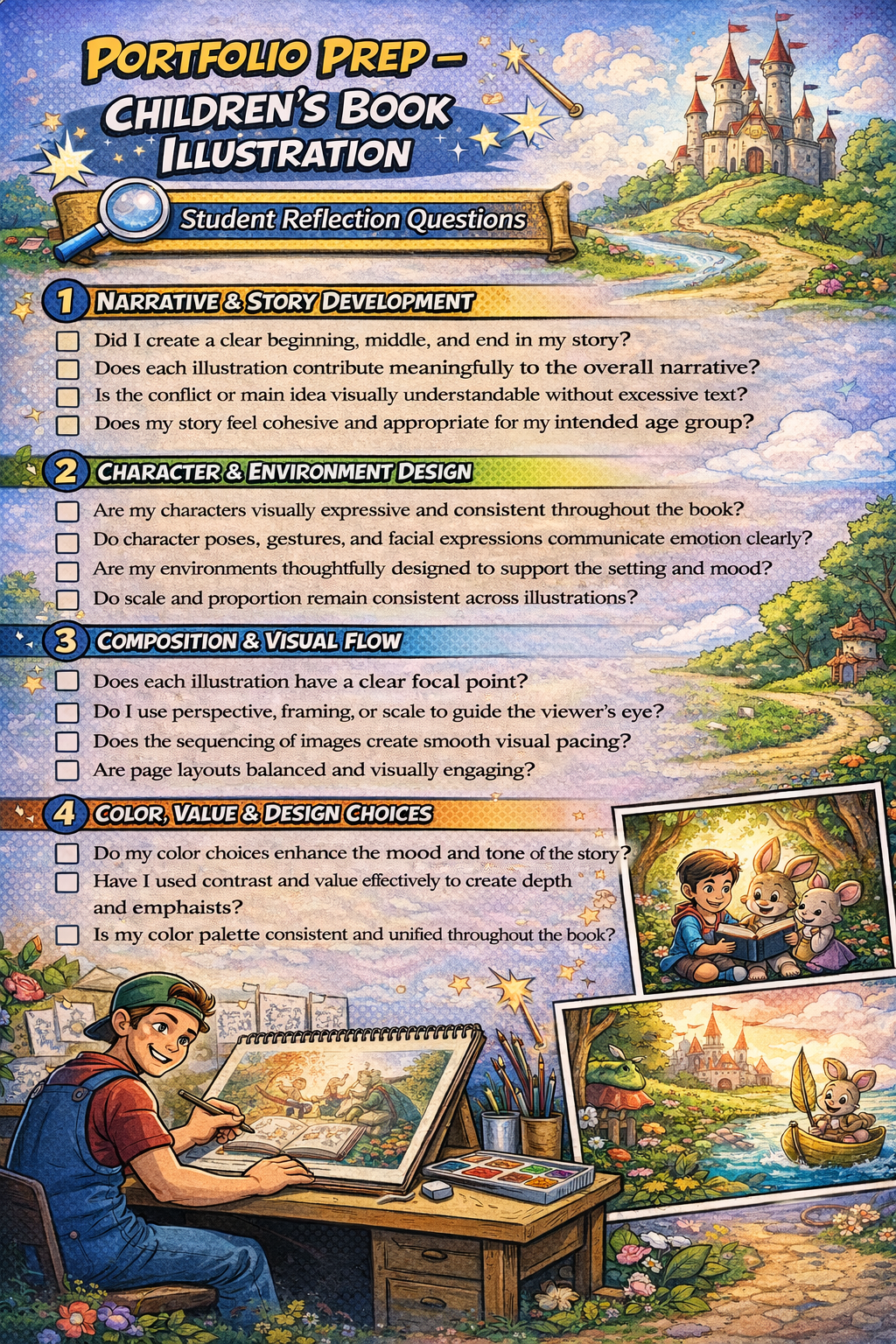
A student reflection is a brief, thoughtful explanation of how and why a student created their artwork, including the choices they made, challenges they faced, and what they learned during the process. In art, reflection is important because it helps students develop critical thinking, recognize growth, strengthen their creative decision-making, and take ownership of their artistic development.
Element of Art & Principle of Design
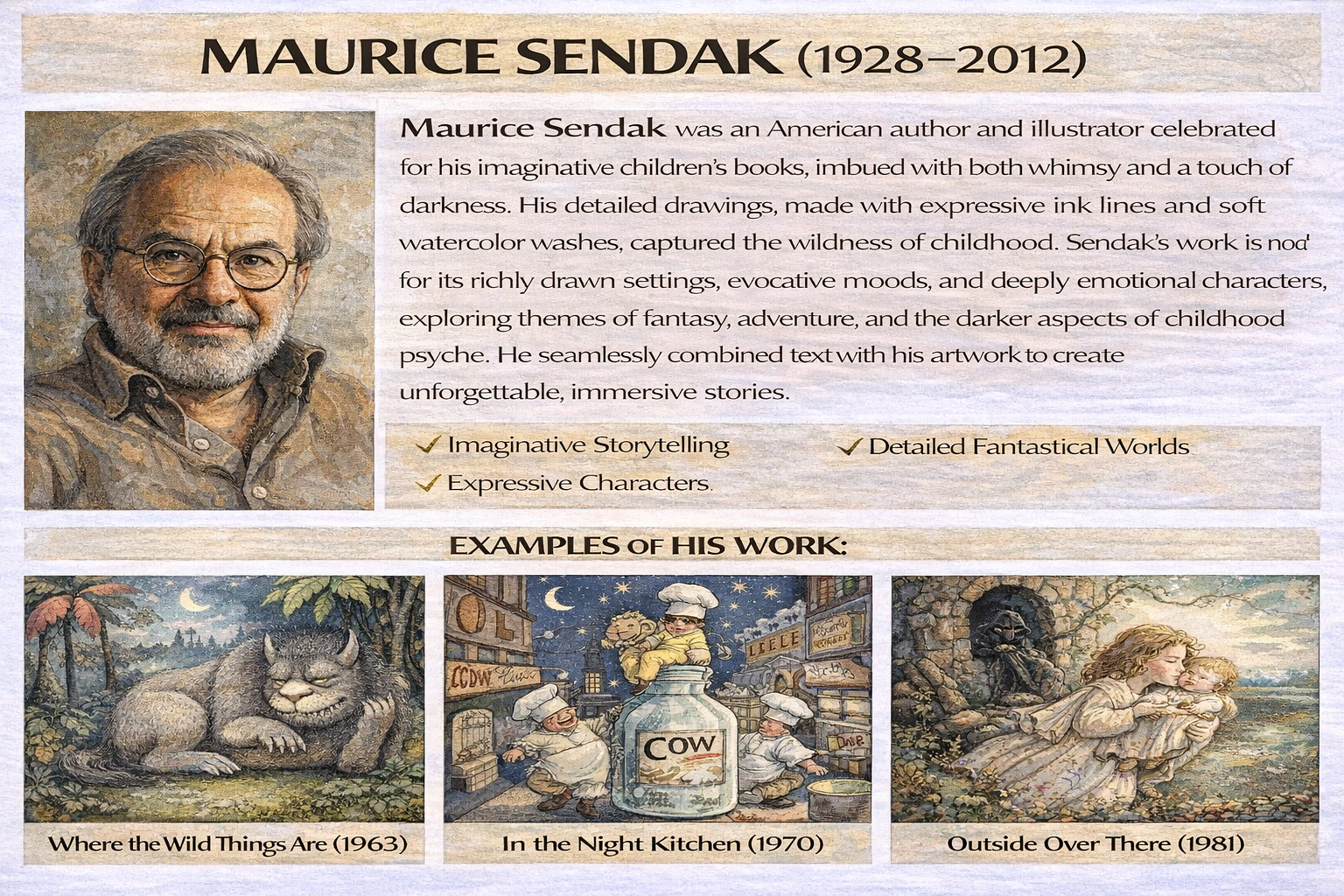
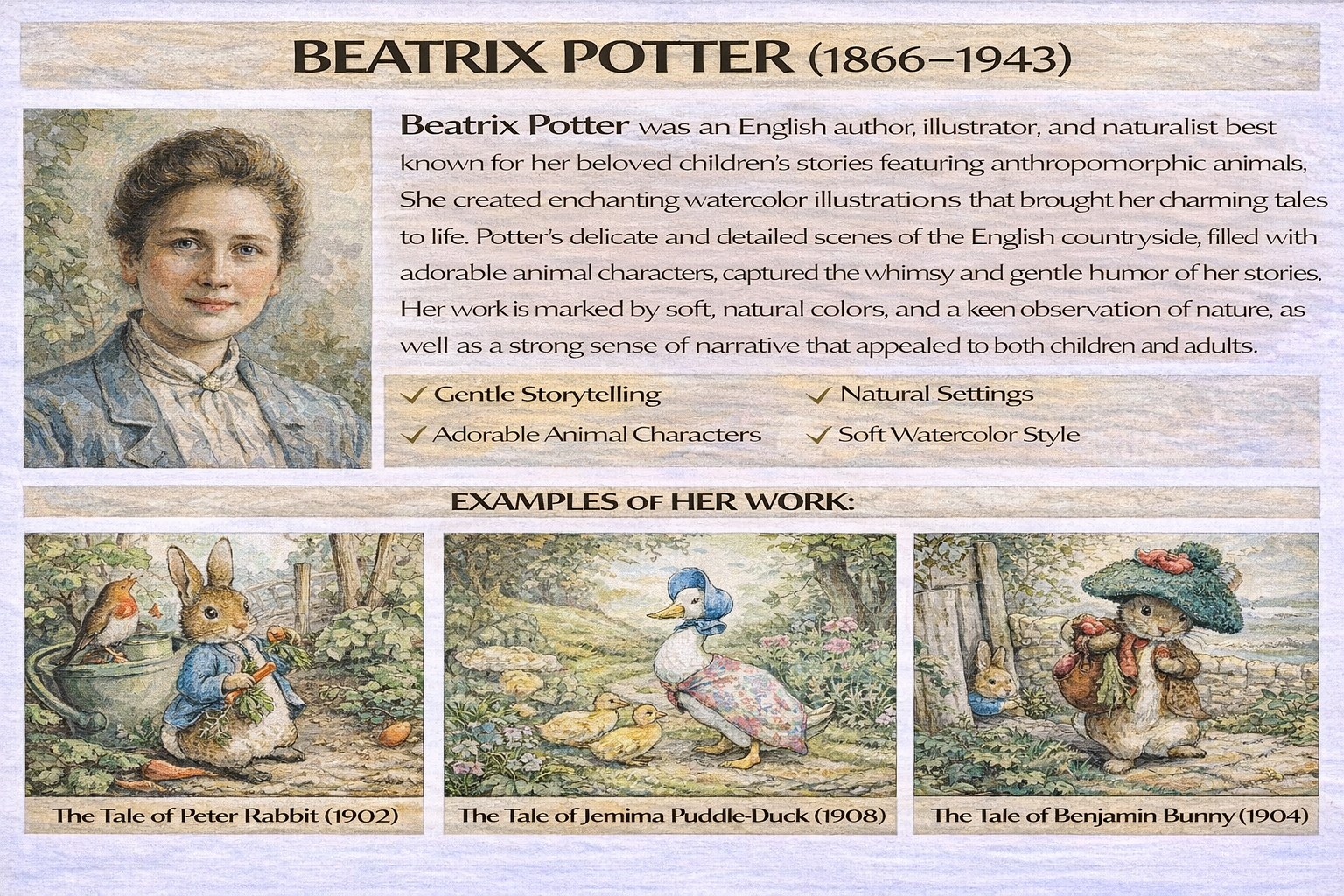
Childrens Book Illustrators
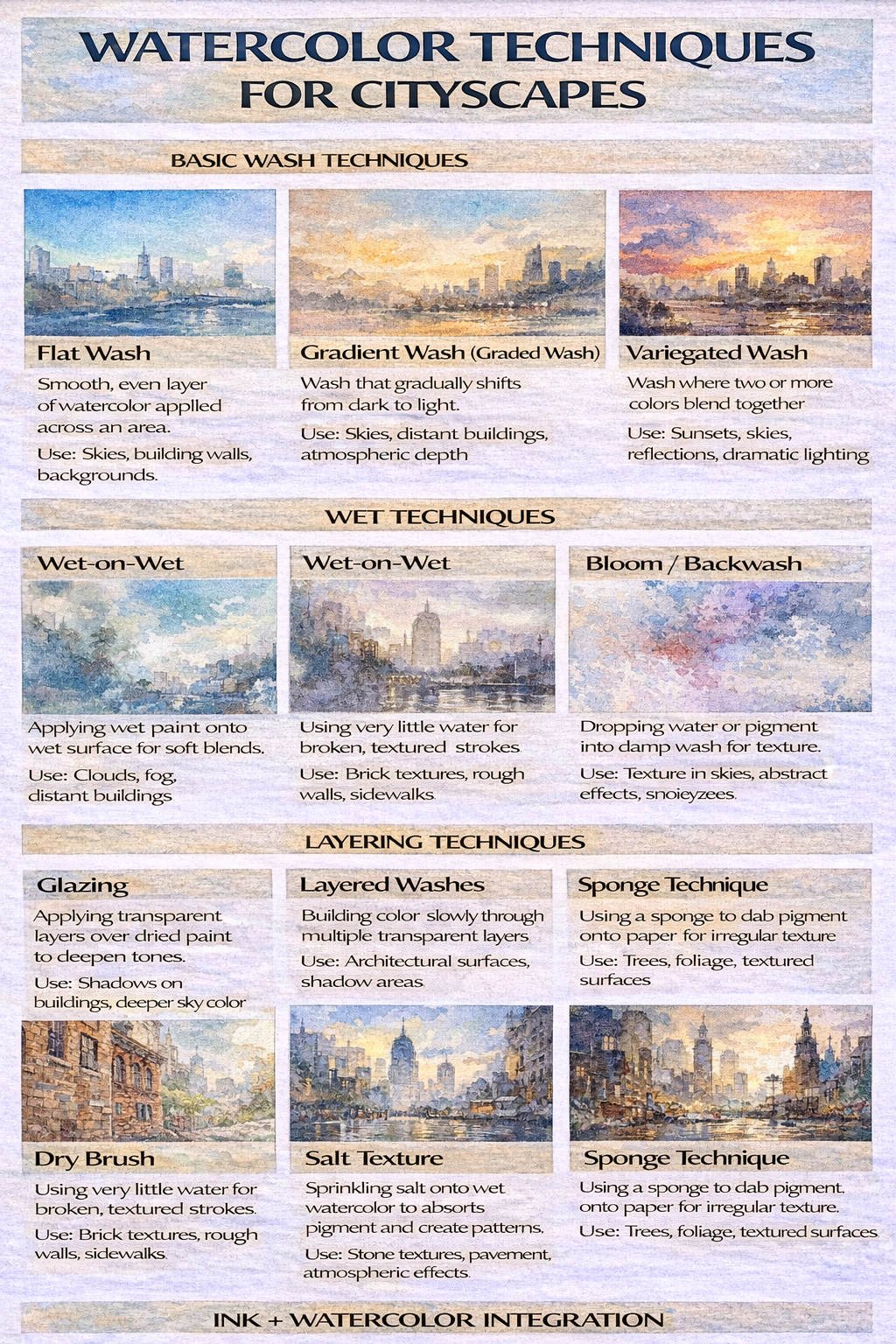
Techniques
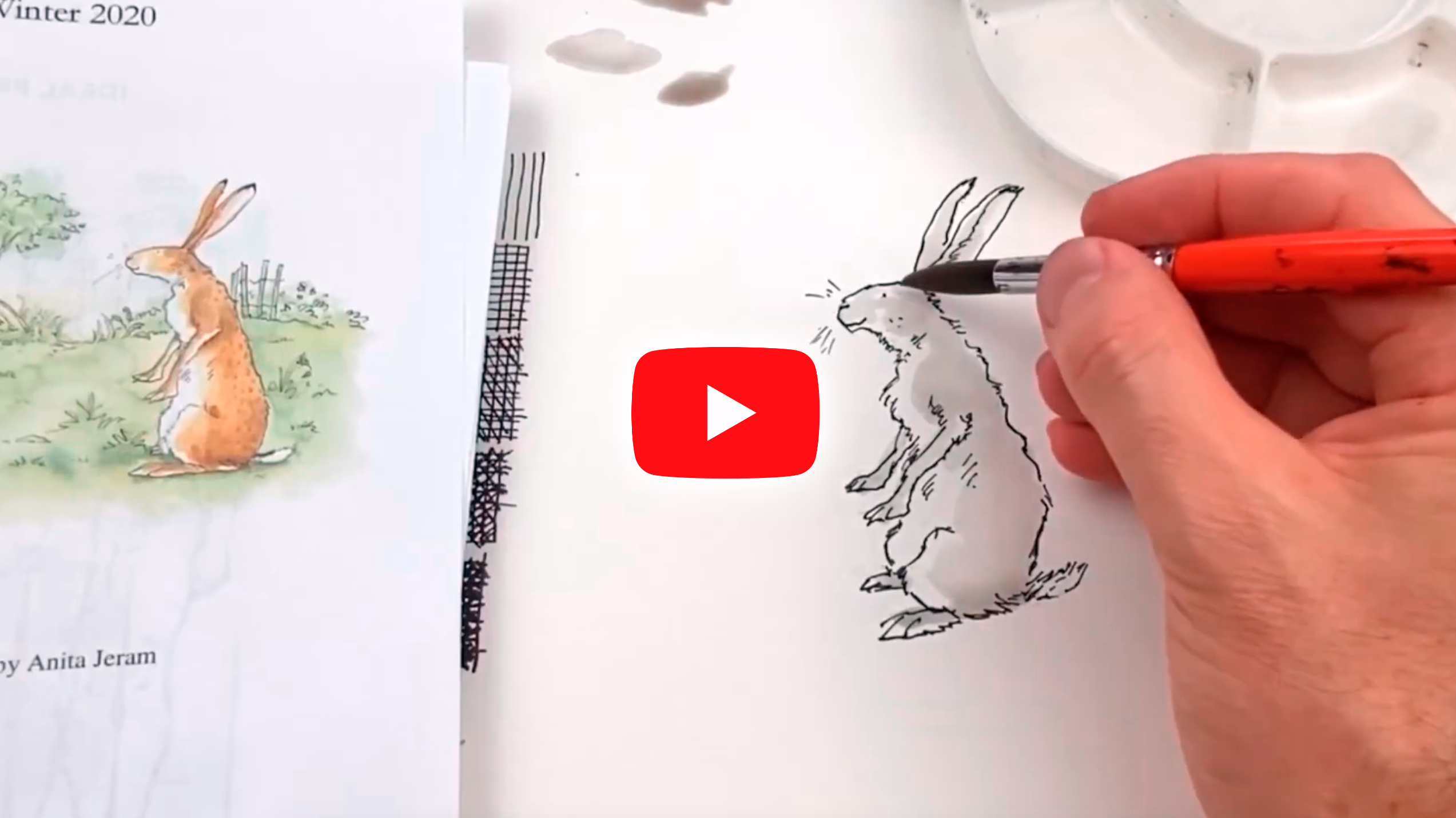
Demonstrations
Examples


“Creativity takes courage.”

Cloverleaf High School
Follow Us