Framed By Illumination
Project Overview
In Framed by Illumination, students will create a compelling photo story—a cohesive series of 5–10 digital photographs that collectively communicate a narrative, emotion, or conceptual theme. This assignment challenges students to explore how intentional lighting and thoughtful composition shape meaning within an image and across a series.
Through careful planning, technical execution, and creative decision-making, students will investigate how light, shadow, framing, perspective, and sequencing work together to guide the viewer’s eye and evoke emotion. Each photograph should function as a strong standalone image while also contributing to a unified visual story.
This project emphasizes sustained investigation, artistic growth, and the development of a clear visual voice—hallmarks of AP-level work.
Objectives
Students will:
* Plan and develop a coherent visual narrative or thematic investigation
* Apply advanced photography principles (composition, lighting, perspective, focus, depth of field)
* Demonstrate technical proficiency using camera controls and digital editing software
* Sequence images intentionally to strengthen storytelling and conceptual clarity
* Experiment with creative techniques such as dramatic lighting, framing devices, angles, contrast, and color grading
* Present a polished and cohesive final photo series
Materials & Tools
* Digital camera or smartphone with manual controls preferred
* Computer with photo editing software (Adobe Photoshop, Lightroom, or equivalent)
* Tripod or stabilizing equipment (optional)
* Storyboard template or planning sketches
Process
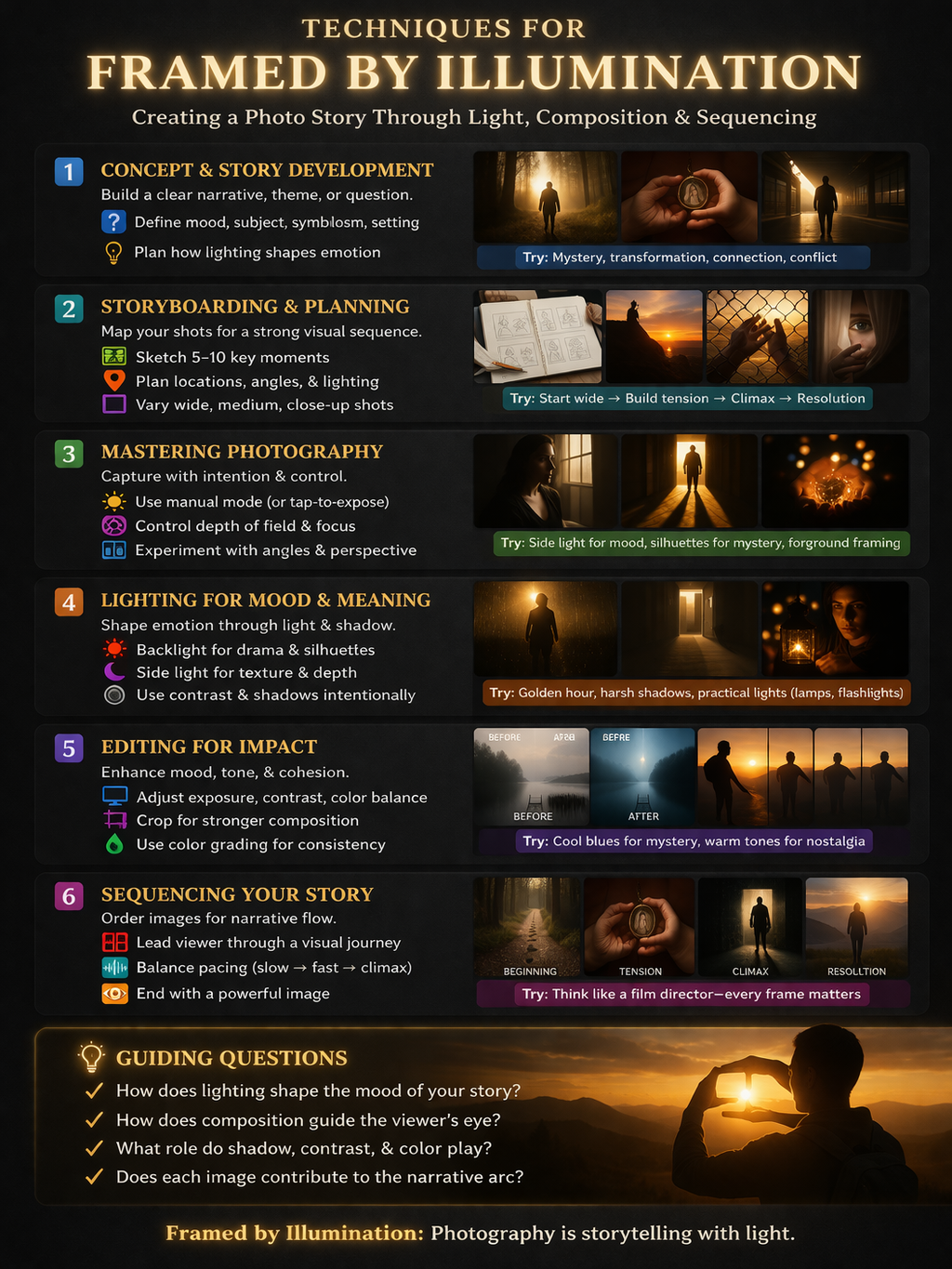
1. Concept Development
Choose a story, theme, or guiding question to explore. Consider mood, subject, symbolism, setting, and emotional tone. Reflect on how lighting will influence the atmosphere of your narrative.
2. Storyboarding & Planning
Create a visual plan outlining the sequence of images. Identify locations, shot types (wide, medium, close-up), lighting conditions, and any props or subjects needed.
3. Photography
Capture your images with intentional control over exposure, composition, framing, and light direction. Experiment with perspective, shadow, contrast, and negative space to enhance storytelling.
4. Editing
Refine your images using digital editing software. Adjust exposure, color balance, contrast, cropping, and clarity to reinforce mood and cohesion across the series.
5. Sequencing
Arrange your photographs in a logical and impactful order. Consider pacing, visual rhythm, and how transitions between images influence interpretation.
6. Presentation
Submit your final 5–10 image series digitally. Include brief captions or a short artist statement explaining your concept, lighting choices, and compositional decisions.
Assessment Criteria
Projects will be evaluated on:
* Clarity and coherence of the visual story
* Technical execution (focus, exposure, composition, lighting control)
* Creative and original exploration of theme
* Effective use of editing to enhance narrative impact
* Thoughtful sequencing and professional presentation
Guiding Questions
* How does lighting shape mood, tension, or meaning in your story?
* How does composition direct the viewer’s attention?
* What role do shadow, contrast, or color play in emphasizing key moments?
* How does each image contribute to the overall narrative arc?
Framed by Illumination emphasizes that photography is not simply about capturing images—it is about constructing meaning. Through deliberate control of light and composition, students will transform individual photographs into a unified visual narrative that engages, challenges, and resonates with the viewer.
Learning Objectives / Student Targets
Concept Development & Visual Storytelling
* Develop a clear narrative, theme, or conceptual investigation expressed through a cohesive photo series.
* Communicate mood, emotion, or meaning using visual elements rather than written explanation.
* Ensure each photograph functions independently while contributing to a unified story.
Lighting & Technical Control
* Demonstrate intentional use of natural or artificial lighting to establish mood and emphasis.
* Manipulate exposure, highlights, shadows, and contrast to enhance storytelling.
* Use camera settings (aperture, shutter speed, ISO, focus) to achieve purposeful visual outcomes.
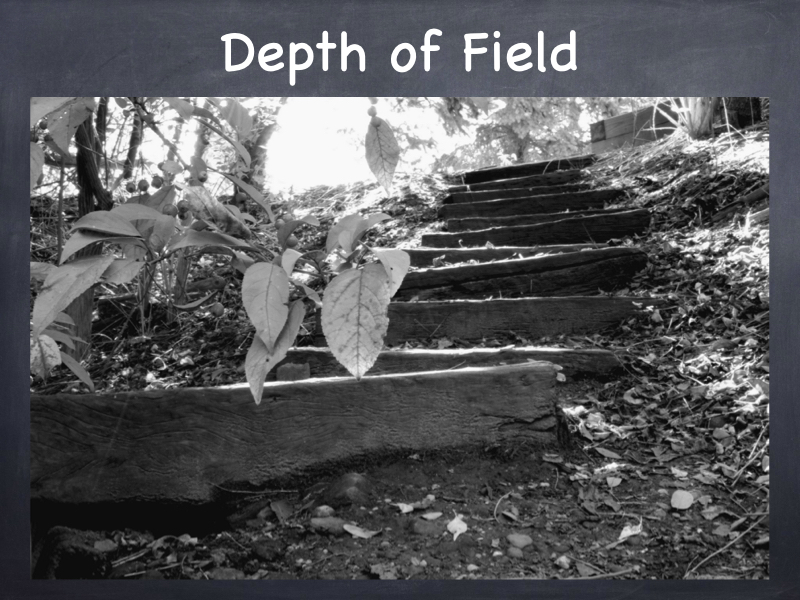
* Apply depth of field strategically to isolate subjects or create spatial context.
Composition & Design Principles
* Apply compositional strategies such as rule of thirds, leading lines, framing, symmetry, balance, and negative space.
* Use perspective and camera angle to influence viewer interpretation.
* Guide the viewer’s eye through intentional placement of light, contrast, and subject matter.
* Demonstrate awareness of foreground, middle ground, and background relationships.
Sequencing & Cohesion
* Arrange images in a logical and compelling order that strengthens narrative clarity.
* Create visual rhythm and transitions between images through consistent lighting, color grading, or compositional style.
* Maintain thematic and stylistic unity across the series.
Editing & Post-Production
* Use digital editing software to refine exposure, color balance, contrast, and cropping.
* Enhance storytelling through intentional color grading and tonal adjustments.
* Maintain image quality and professionalism in final presentation.
Creative Risk-Taking & Problem Solving
* Experiment with unconventional lighting, angles, or framing techniques.
* Adapt to environmental challenges (low light, movement, location limitations).
* Make thoughtful artistic decisions that elevate the conceptual strength of the series.
Reflection & Artistic Growth
* Articulate the conceptual intent behind lighting and compositional choices.
* Analyze strengths and areas for improvement in technical and narrative execution.
* Demonstrate growth in visual storytelling and creative confidence.
Ohio Fine Arts Standards (Visual Arts)
Creating
* Generate and develop original artistic ideas and sustained visual inquiry.
* Refine artistic work by applying knowledge of light, composition, and visual organization principles.
* Demonstrate creative risk-taking and solutions through intentional use of media.
Performing/Presenting
* Demonstrate technical proficiency using tools and processes (camera, editing software).
* Present artistic work that communicates clear intent and thoughtful visual decisions.
* Solve artistic problems encountered during image capture and presentation.
Responding
* Analyze and interpret personal and peer works to understand how meaning is conveyed through artistic choices.
* Use appropriate artistic language to evaluate artistic effectiveness of composition and lighting.
* Reflect on strengths and areas for growth in artistic craft and conceptual development.
Connecting
* Connect personal experiences, cultural contexts, or conceptual themes to visual artworks.
* Communicate how artistic decisions reflect and express personal or broader contexts.
* Examine how photography can influence, document, or challenge perspectives.
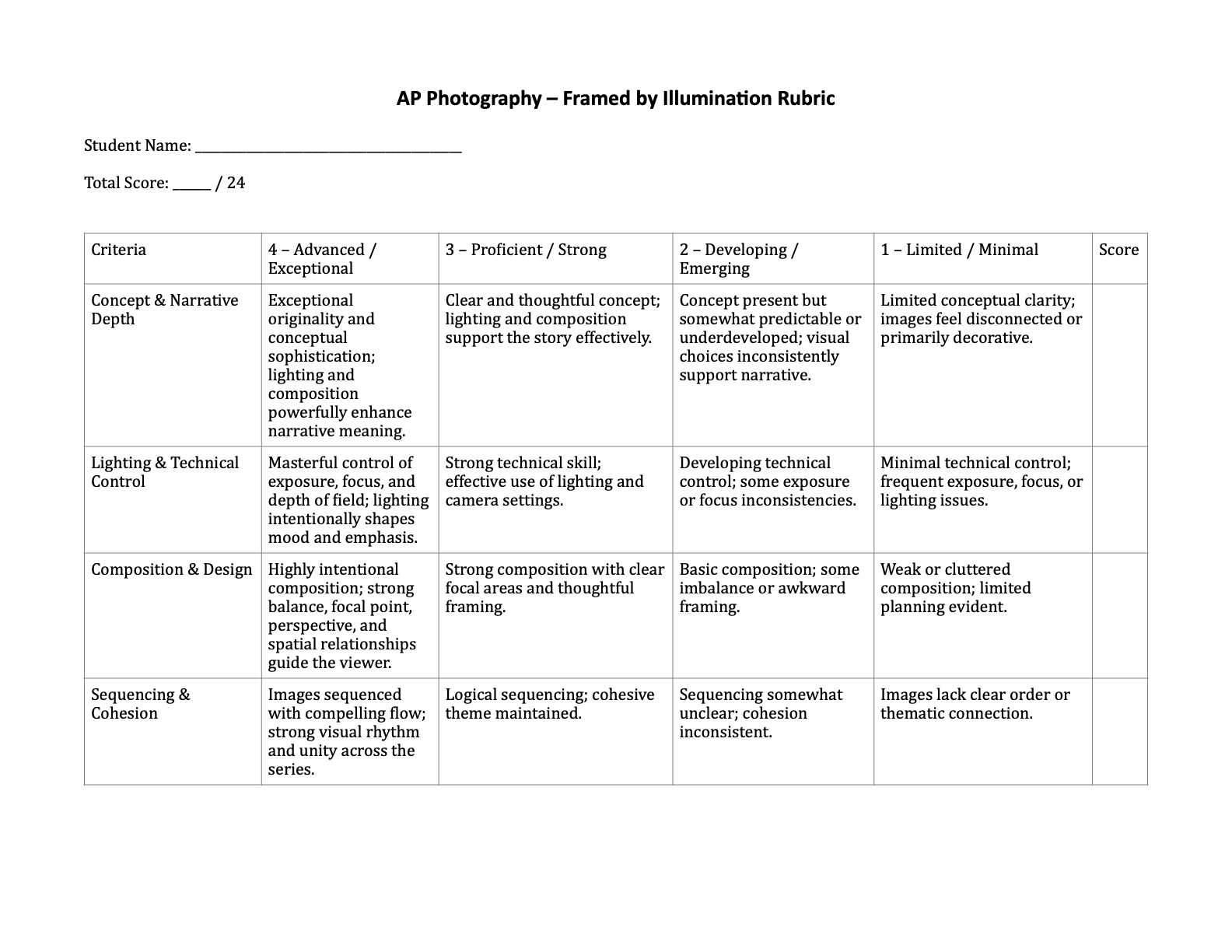
Grading Rubric
Rubrics have become popular with teachers as a means of communicating expectations for an assignment, providing focused feedback on works in progress, and grading final products. A rubric is a document that articulates the expectations for an assignment by listing the criteria, or what counts, and describing levels of quality from excellent to poor.

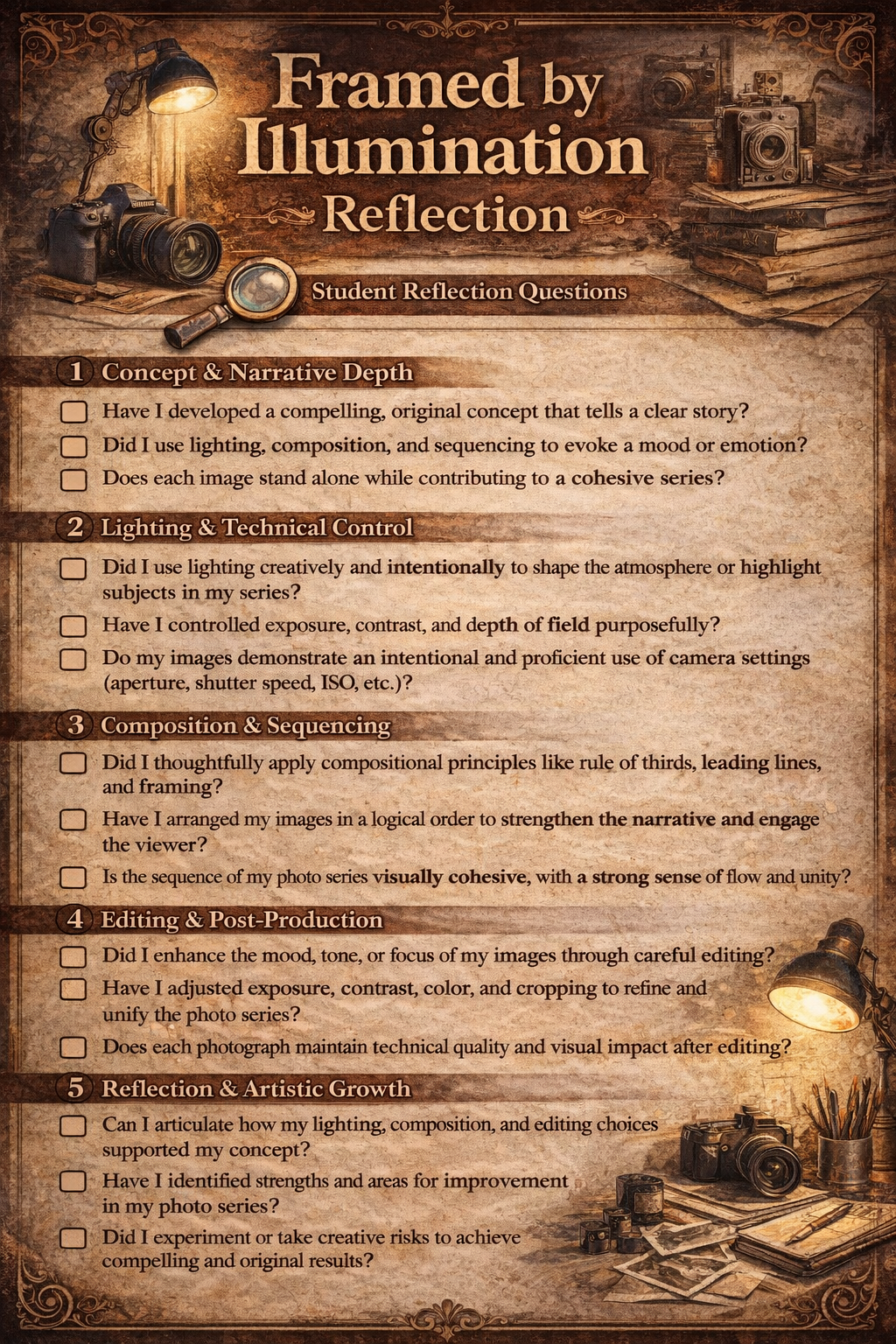
Student Reflection
A student reflection is a brief, thoughtful explanation of how and why a student created their artwork, including the choices they made, challenges they faced, and what they learned during the process. In art, reflection is important because it helps students develop critical thinking, recognize growth, strengthen their creative decision-making, and take ownership of their artistic development.
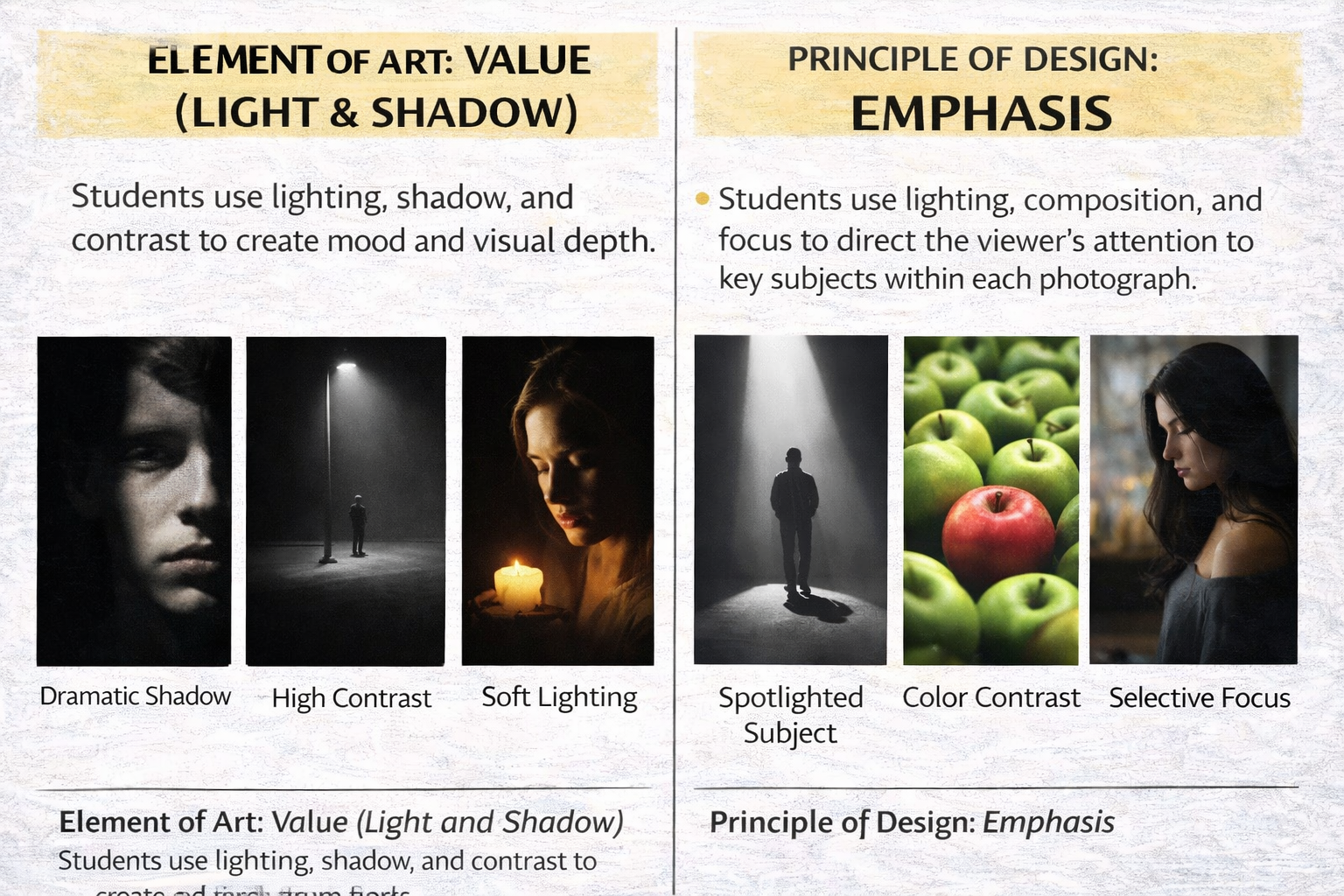
Element of Art & Principle of Design
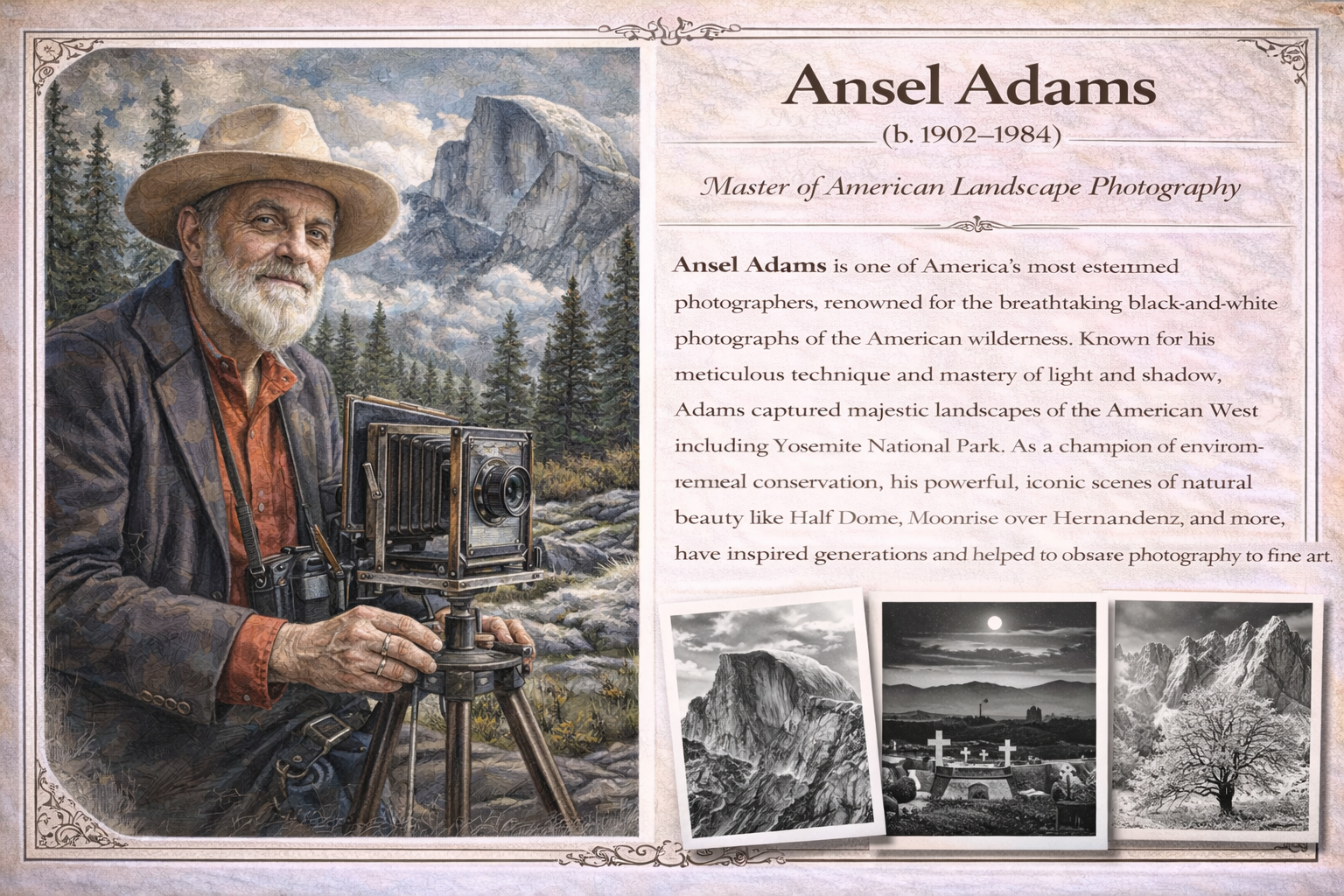
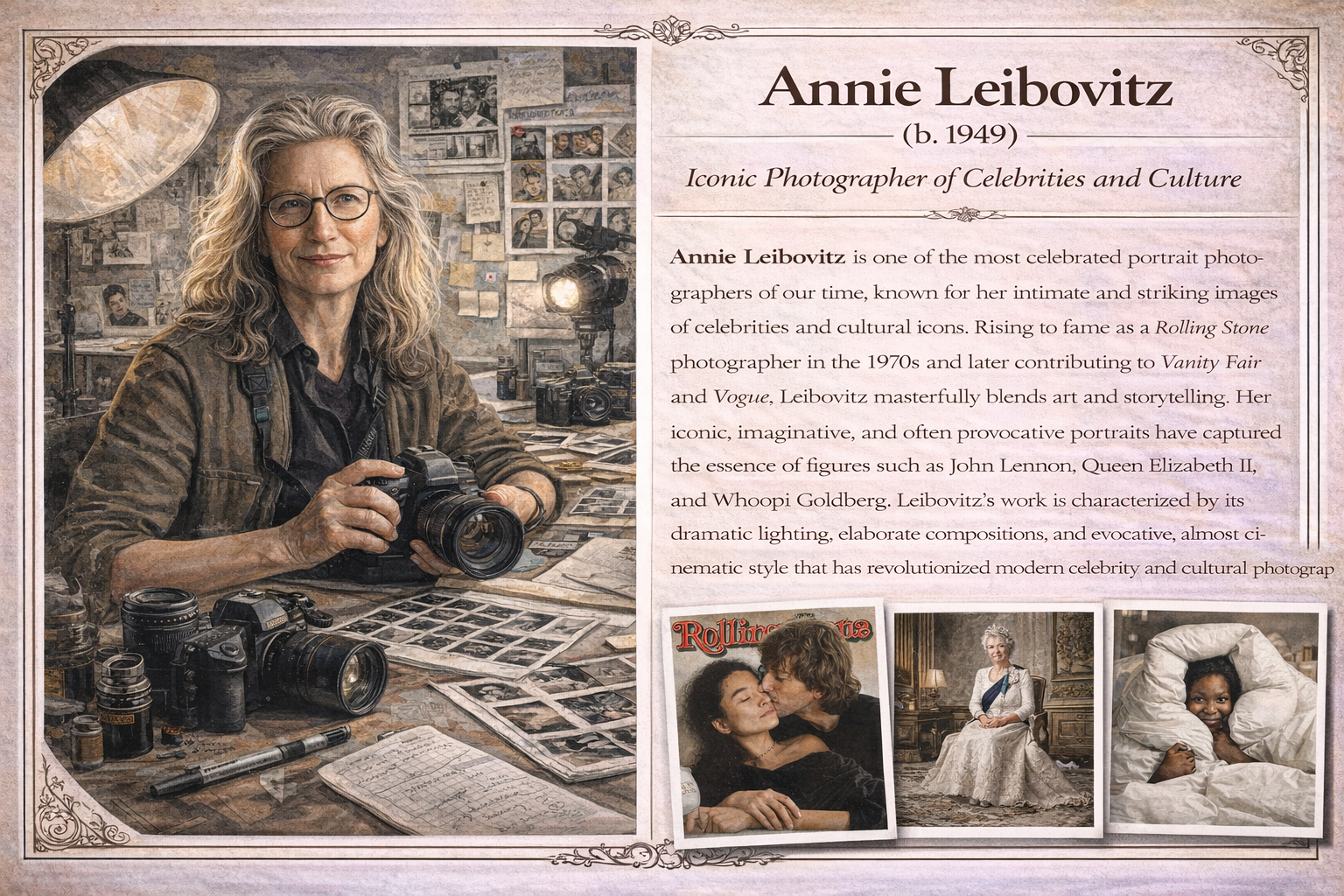
Famous Photographers
Techniques
Presentation





Examples
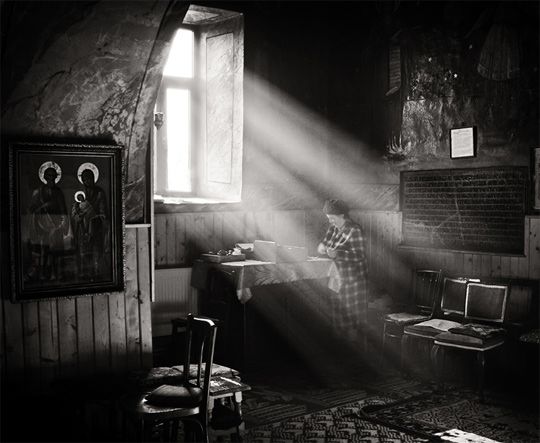
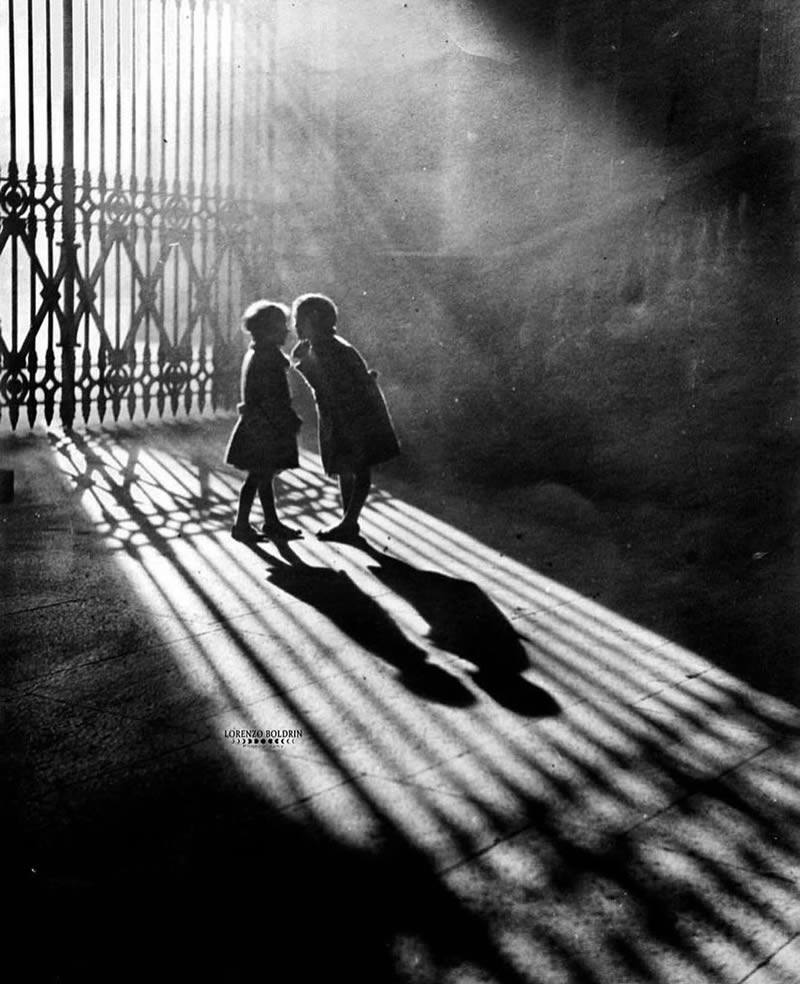

“Creativity takes courage.”

Cloverleaf High School
Follow Us