Memory Mapping
Project Overview
Theme: Cartography of Experience
In this AP-level mixed media investigation, students will create a large-scale visual “map” that documents an emotional experience rather than a physical location. Instead of charting geography, students will chart memory, relationships, identity, or personal history through symbolic spatial organization.
The map must function as a cohesive visual system. Students are required to include a symbolic legend or key and incorporate layered media techniques that build depth and meaning. The work should remain abstract rather than illustrative, allowing emotional space to replace literal imagery.
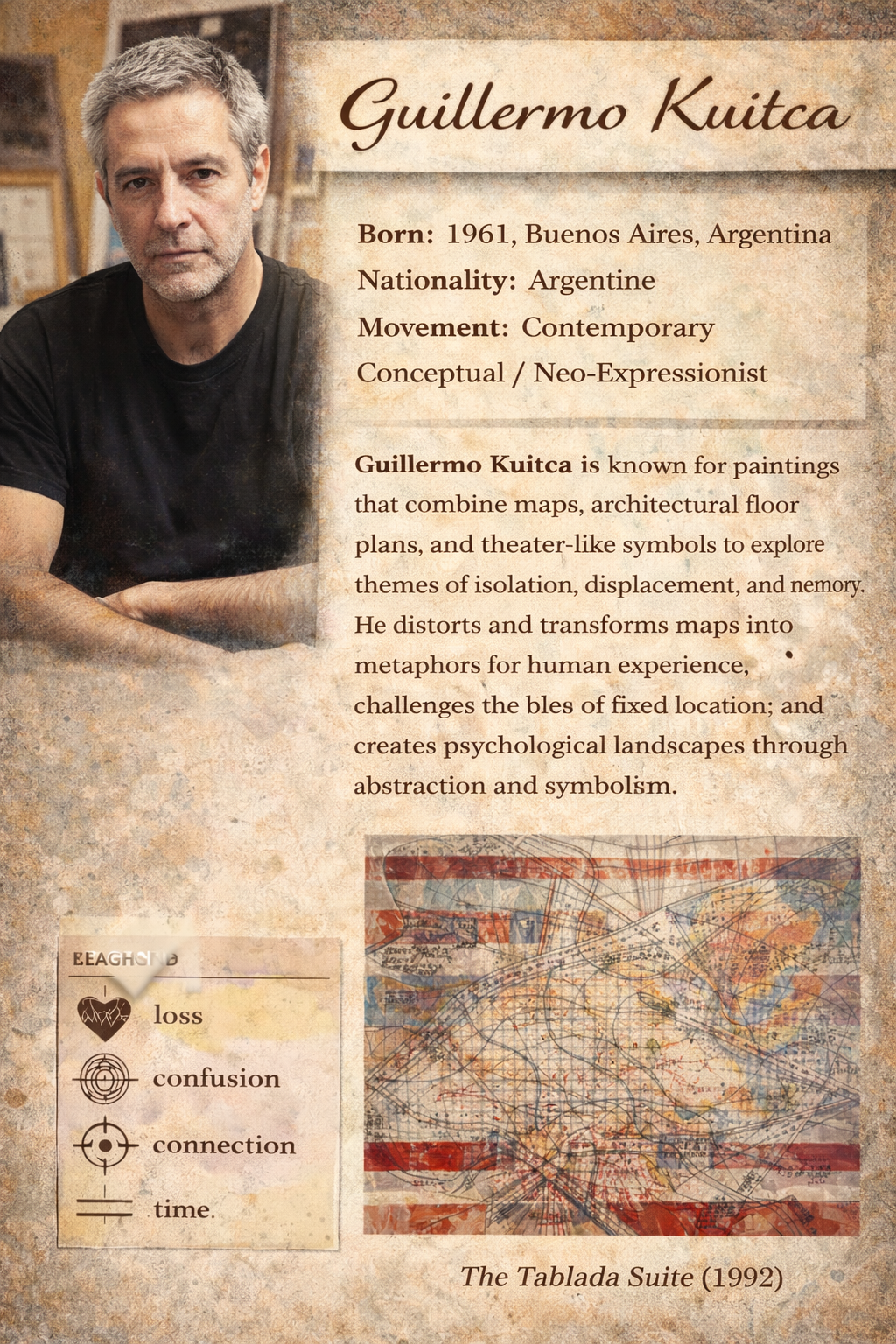
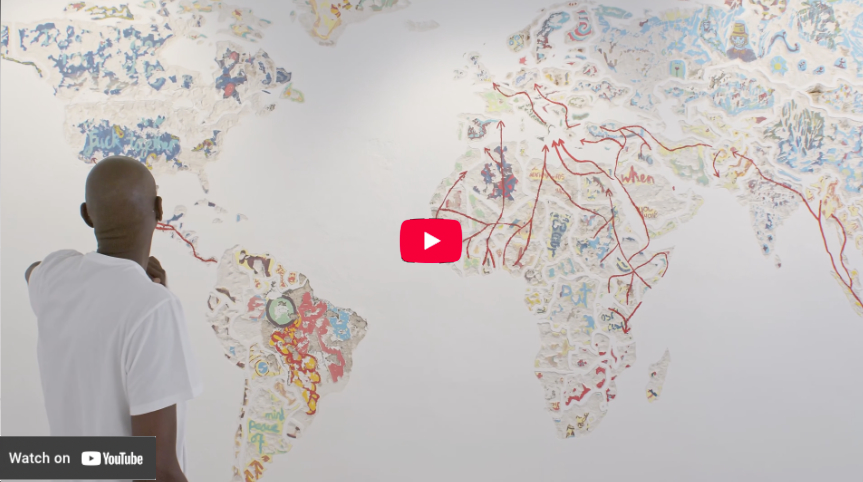
This assignment pushes students beyond narrative storytelling and into conceptual systems thinking. Inspired by artists such as Julie Mehretu, Guillermo Kuitca, and Mark Bradford, students will explore how pathways, borders, topography, scale shifts, layering, and text can visually represent emotional terrain.
Students must think critically about how space can hold memory. What does “distance” look like in a relationship? How can fragmentation represent loss? Can density or texture symbolize emotional weight? How does layering reflect time?
The goal is not to illustrate a memory directly, but to design a navigable emotional landscape that communicates meaning through abstraction, structure, and visual language.
The final piece should reflect AP-level craftsmanship, conceptual depth, intentional layering, and sophisticated compositional planning.
AP Studio Focus
This assignment supports:
* Sustained Investigation: Exploring identity, memory, relationships, and emotional systems through symbolic mapping.
* Material Practice: Demonstrating advanced control of mixed media layering (transparent vs. opaque media, collage, thread, ink, texture building).
* Visual Evidence of Inquiry: Showing development of a cohesive visual system through planning, revision, and conceptual refinement.
Objective
Students will:
* Select a meaningful memory, relationship, or personal history as the conceptual foundation.
* Develop a symbolic visual system that translates emotional experiences into spatial form.
* Design and integrate a legend/key that explains the symbolic language of the map.
* Use layering techniques (transparent and opaque media) to create depth and complexity.
* Incorporate text in a non-literal, integrated way (fragmented, embedded, obscured, stitched, or layered).
* Produce a resolved mixed media artwork that communicates narrative through abstraction rather than illustration.
Possible Approaches
Students may explore:
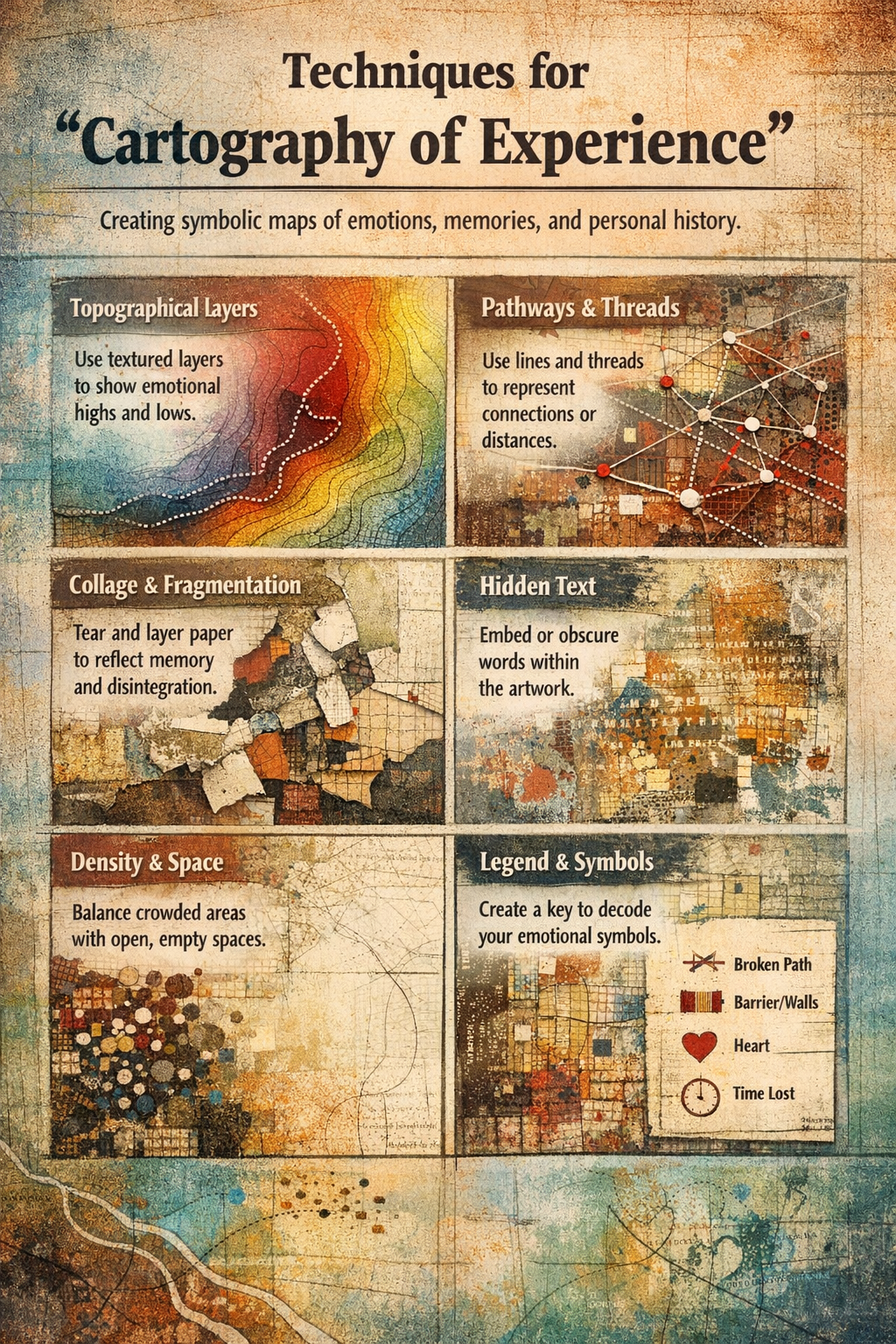
* Topographical Mapping: Elevation changes to represent emotional highs and lows.
* Pathways & Routes: Lines or stitched threads to symbolize connection, separation, or growth.
* Fragmentation: Torn or layered surfaces to reflect memory distortion or trauma.
* Density & Negative Space: Areas of crowding vs. openness to represent emotional intensity or silence.
* Symbol Systems: Repeated icons or marks tied to a legend that decode meaning.
Essential Question
How can mapping systems transform personal memory into structured emotional space and communicate narrative without literal imagery?
Learning Objectives / Student Targets
By the end of this project, students will be able to:
Concept Development & Emotional Translation
* Develop a concept-driven map that translates memory, relationships, or personal history into spatial form.
* Construct a cohesive symbolic system rather than illustrating a literal scene.
* Identify emotional themes (distance, connection, fragmentation, growth, loss) and convert them into visual metaphors.
* Design a meaningful legend/key that clarifies symbolic intent.
Material & Technical Skill
* Demonstrate advanced control of mixed media techniques including layering, transparency, collage, and texture building.
* Use ink, colored pencil, thread, found paper, or texture paste intentionally to enhance conceptual depth.
* Manipulate both transparent and opaque materials to create spatial complexity.
* Refine surface quality and craftsmanship to achieve professional-level presentation.
Visual Systems & Abstraction
* Organize visual elements into a navigable and intentional map structure.
* Use repetition, line systems, pathways, and spatial hierarchy to build a clear visual language.
* Communicate narrative without literal imagery.
* Balance abstraction with readability so the work feels structured rather than random.
Composition & Spatial Awareness
* Use scale, density, and negative space to represent emotional intensity or silence.
* Establish visual hierarchy through contrast, layering, and focal areas.
* Create depth through overlapping elements and varied mark-making.
* Ensure the overall composition feels cohesive and unified.
Creative & Critical Thinking
* Analyze how mapping systems influence perception and meaning.
* Experiment with symbolic structures and refine them through critique.
* Make intentional revisions based on feedback to strengthen clarity.
* Take conceptual risks rather than choosing obvious or literal solutions.
Reflection & Artistic Growth
* Articulate how spatial decisions reflect emotional or personal meaning.
* Evaluate how effectively abstraction communicates narrative.
* Reflect on how material choices enhanced or limited conceptual clarity.
* Demonstrate growth in systems thinking, abstraction, and visual storytelling.
Ohio Fine Arts Standards (Visual Arts)
VA:Cr1 – Generate & Conceptualize Artistic Ideas
* VA:Cr1.1.HSI Use multiple approaches to begin creative endeavors (e.g., sketch mapping systems, symbolic studies, thumbnail compositions).
* VA:Cr1.2.HSI Shape an artistic investigation of personal experience, memory, or contemporary life using a contemporary practice of art or design.
VA:Cr2 – Organize & Develop Artistic Work
* VA:Cr2.1.HSI Select and experiment with materials, tools, and techniques to shape artistic ideas into a cohesive work of art (layering, collage, ink, thread, texture).
* VA:Cr2.2.HSI Demonstrate quality craftsmanship through careful selection, handling, and refinement of materials and processes.
VA:Cr3 – Refine & Complete Artistic Work
* VA:Cr3.1.HSI Apply relevant criteria to examine, reflect on, and plan revisions for works of art and design.
* VA:Cr3.2.HSI Engage in constructive critique and self-reflection to strengthen clarity of artistic intent and visual communication.
VA:Re7 – Perceive & Analyze Artistic Work
* VA:Re7.1.HSI Recognize and describe how knowledge of culture, traditions, and personal experiences influence responses to art.
* VA:Re7.2.HSI Analyze how elements and principles of design (line, rhythm, space, layering, contrast) communicate meaning.
VA:Re8 – Interpret Intent & Meaning
* VA:Re8.1.HSI Interpret art by analyzing how subject matter, form, and context contribute to meaning.
VA:Re9 – Apply Criteria to Evaluate Artistic Work
* VA:Re9.1.HSI Establish and apply criteria to evaluate artistic decisions, craftsmanship, and effectiveness of communication.
VA:Cn10 – Synthesize & Relate Knowledge & Personal Experiences
* VA:Cn10.1.HSI Create works of art that reflect personal experiences, memory, identity, or conceptual investigation.
* VA:Cn10.2.HSI Apply visual arts skills and habits of mind to deepen understanding of interdisciplinary connections (e.g., geography, psychology, narrative systems).
VA:Cn11 – Relate Artistic Ideas & Works with Societal, Cultural & Historical Context
* VA:Cn11.1.HSI Analyze how art reflects cultural, societal, or historical contexts and connects to broader human experiences.
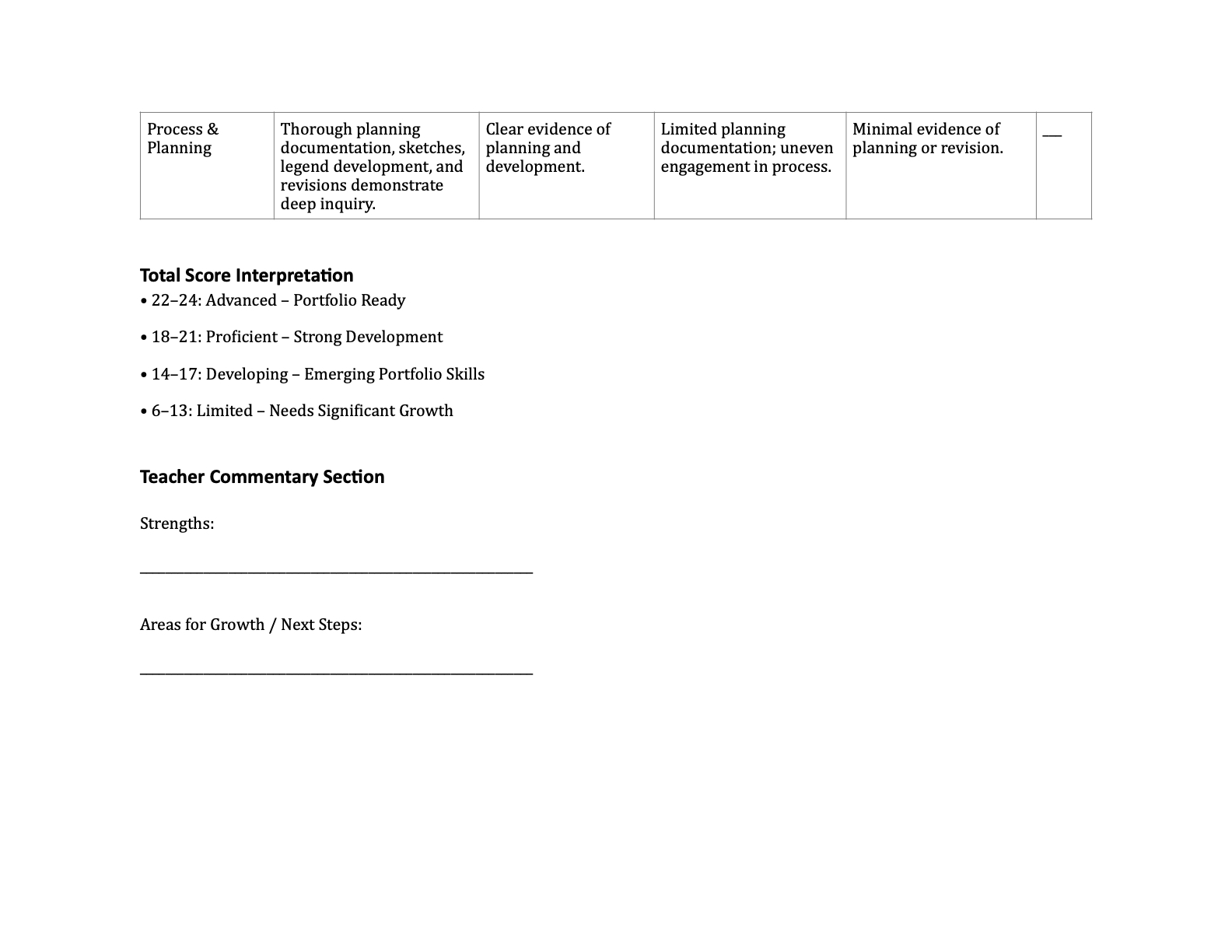
Grading Rubric
Rubrics have become popular with teachers as a means of communicating expectations for an assignment, providing focused feedback on works in progress, and grading final products. A rubric is a document that articulates the expectations for an assignment by listing the criteria, or what counts, and describing levels of quality from excellent to poor.

Student Reflection
A student reflection is a brief, thoughtful explanation of how and why a student created their artwork, including the choices they made, challenges they faced, and what they learned during the process. In art, reflection is important because it helps students develop critical thinking, recognize growth, strengthen their creative decision-making, and take ownership of their artistic development.

Element of Art & Principle of Design
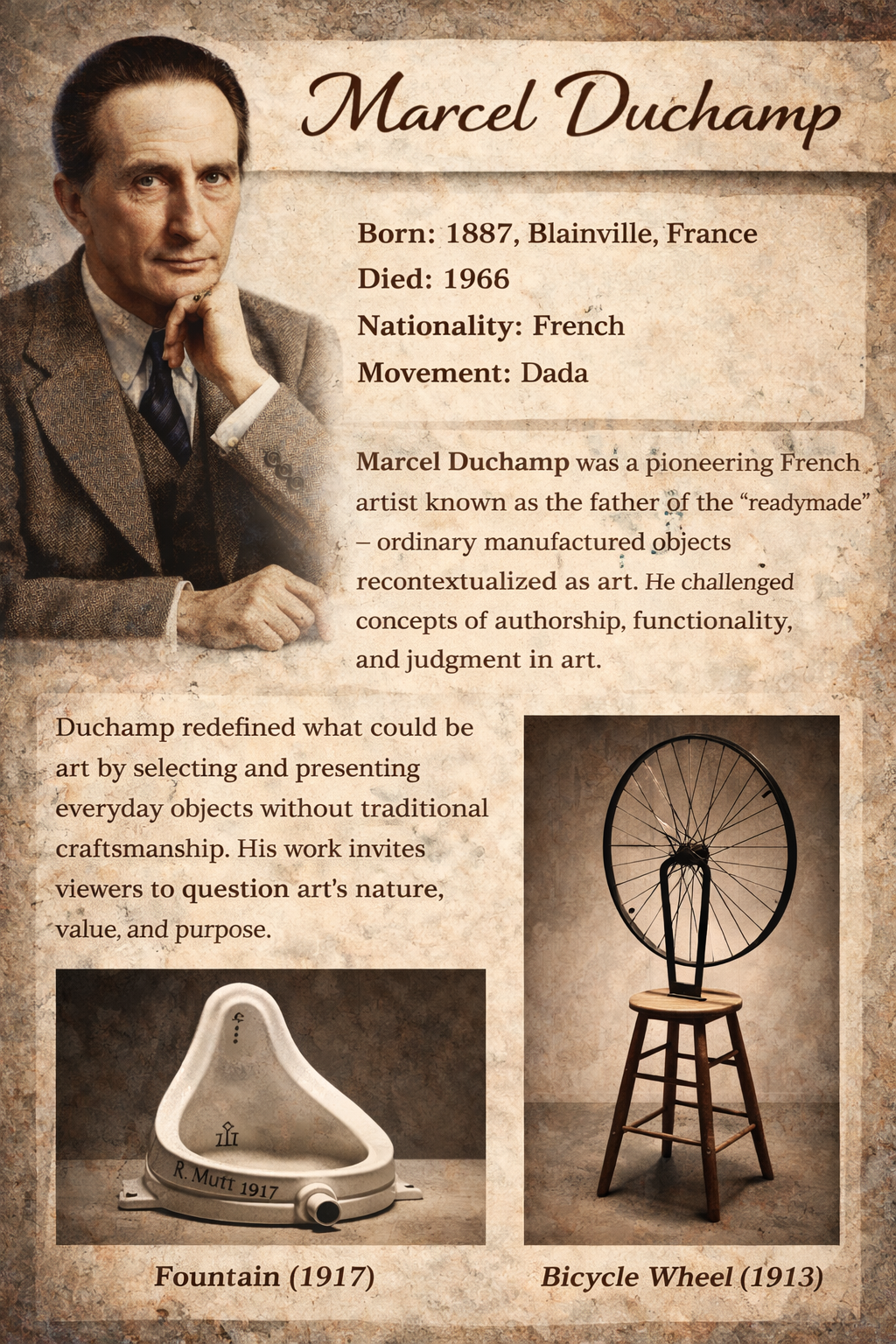
Memory Mapping Artists
Techniques
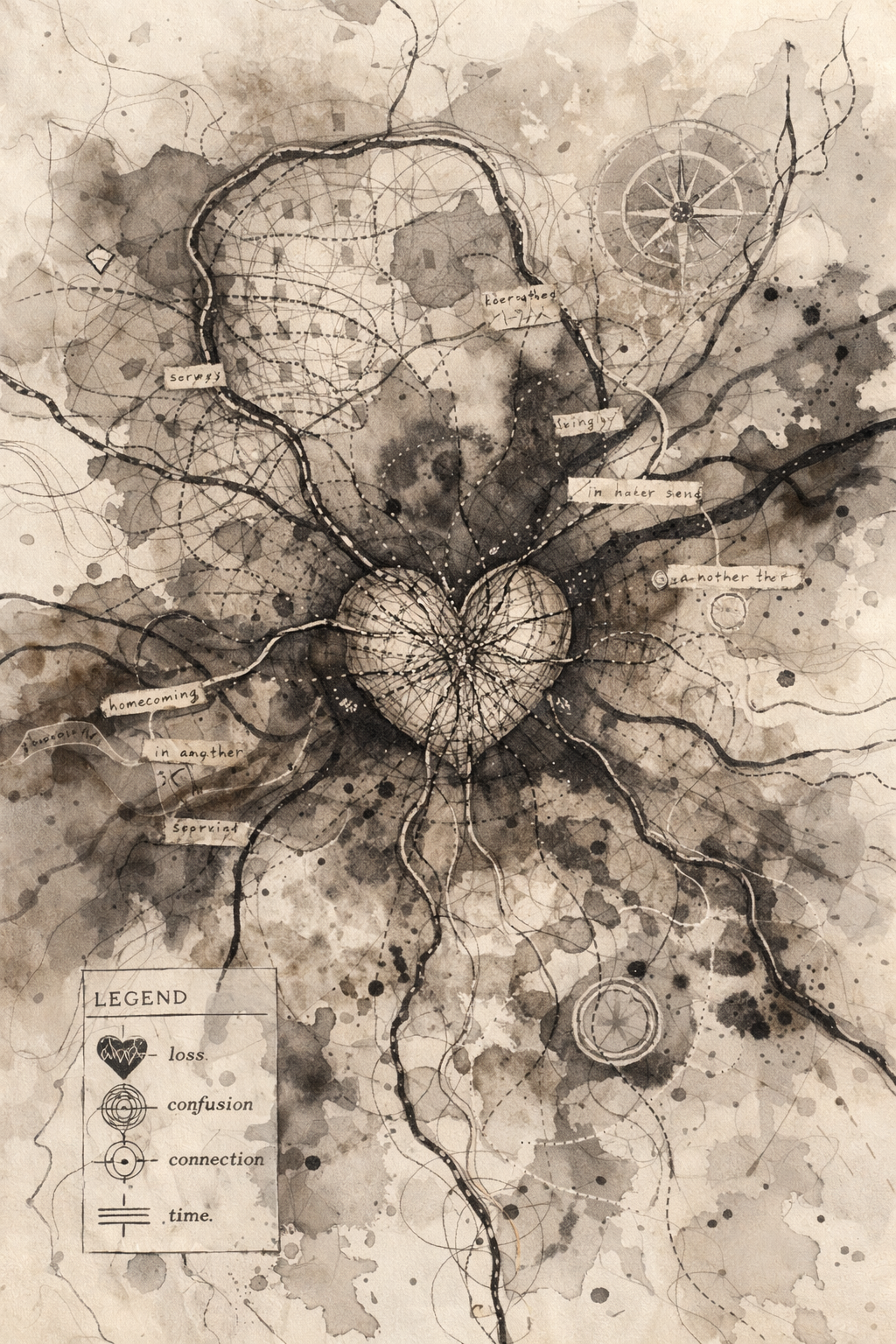
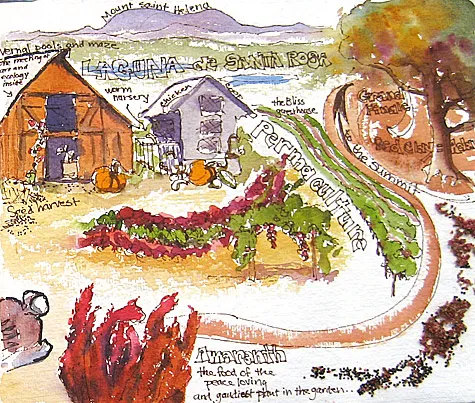
Examples


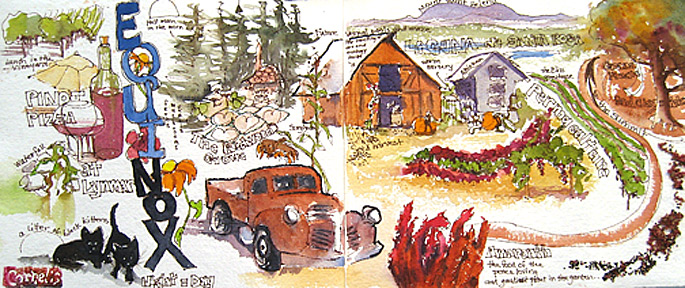


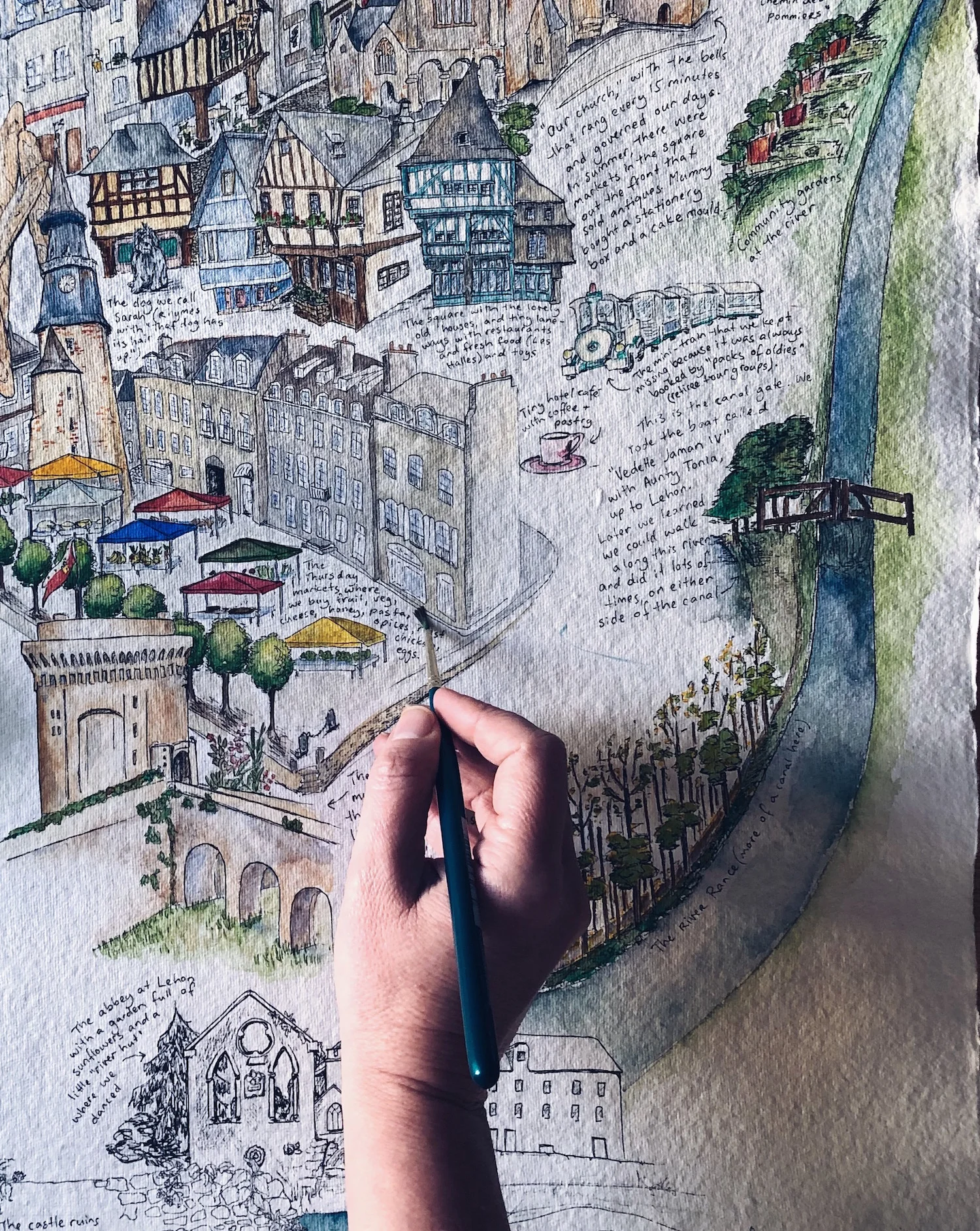
“Creativity takes courage.”

Cloverleaf High School
Follow Us