Visual Sound
Project Overview
In this AP-level mixed media (or drawing/painting) assignment, students will translate a selected sound source into a highly resolved visual composition. Rather than illustrating lyrics or depicting literal imagery, students will interpret the formal qualities of sound—such as rhythm, tempo, pitch, volume, repetition, harmony, and silence—through intentional use of line, value, color, texture, movement, and spatial organization.
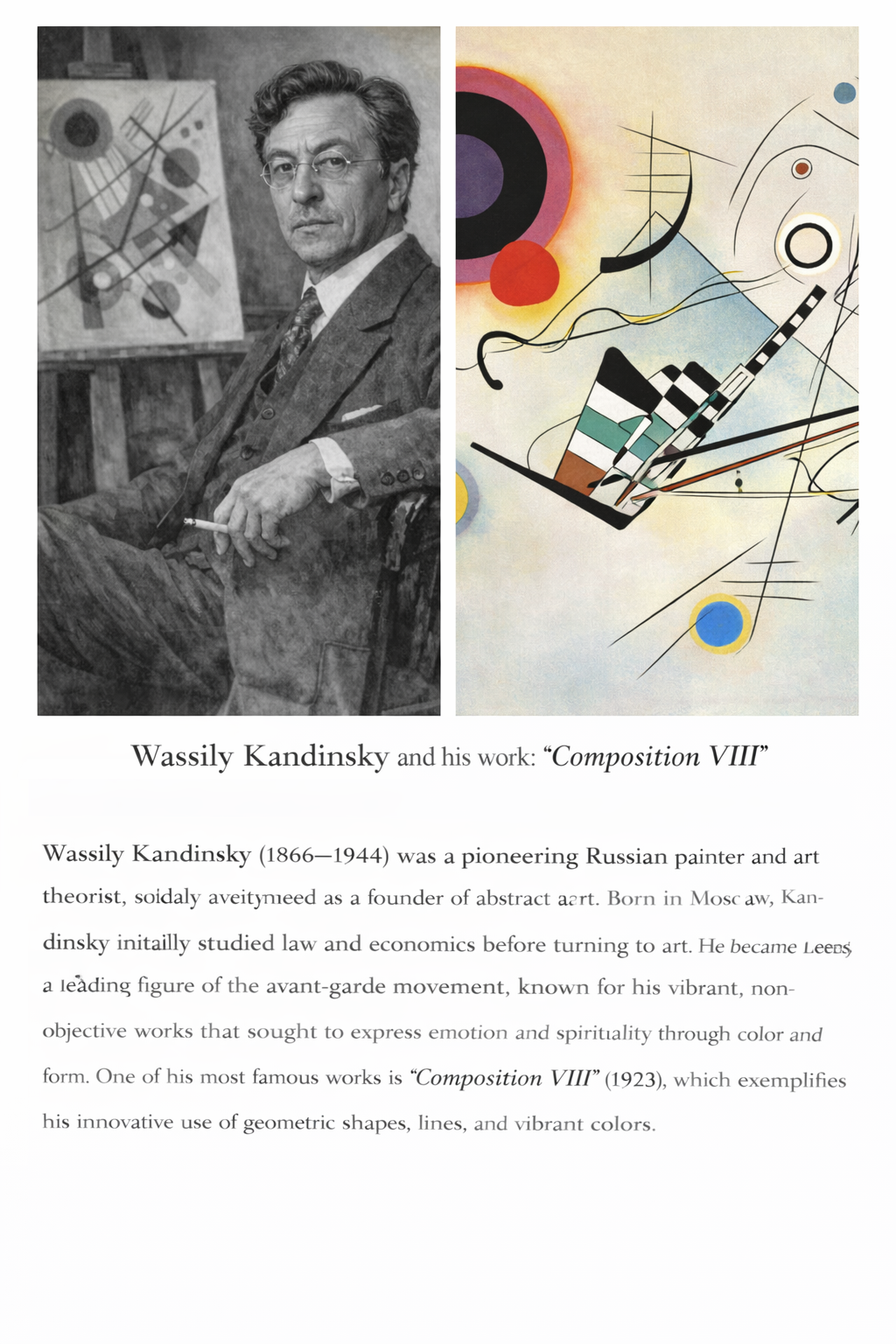
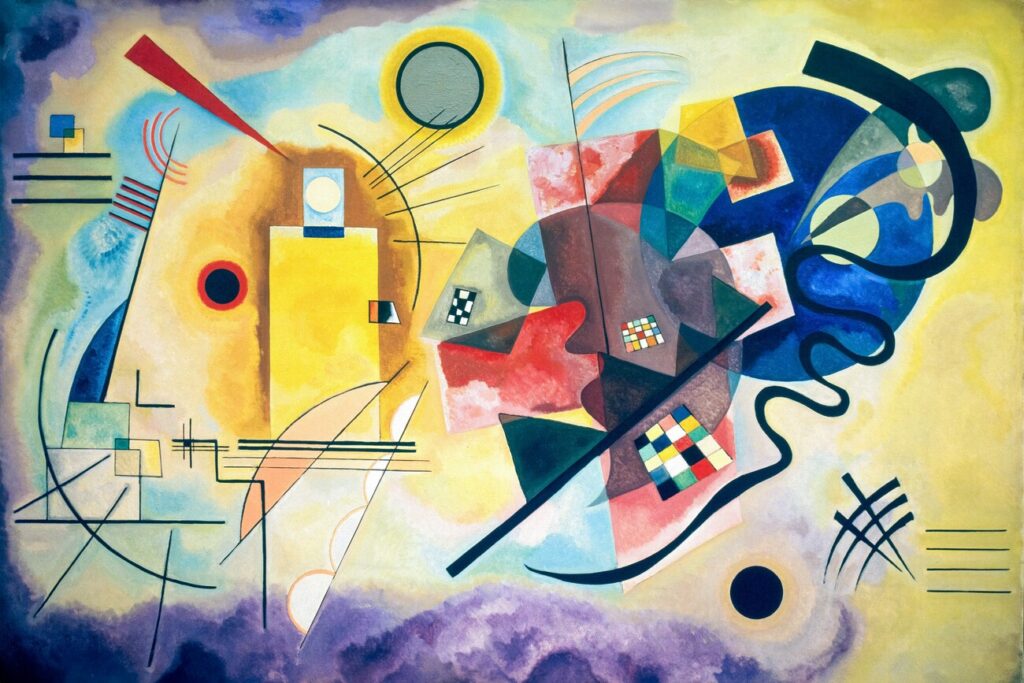
This project challenges students to think critically about how abstract visual elements can function as a language. Inspired by artists such as Wassily Kandinsky, Julie Mehretu, and Christian Marclay, students will explore how visual rhythm, density, contrast, and mark-making can parallel sonic structure. The focus is not on representation, but on translation—developing a clear system that converts auditory experience into visual form.
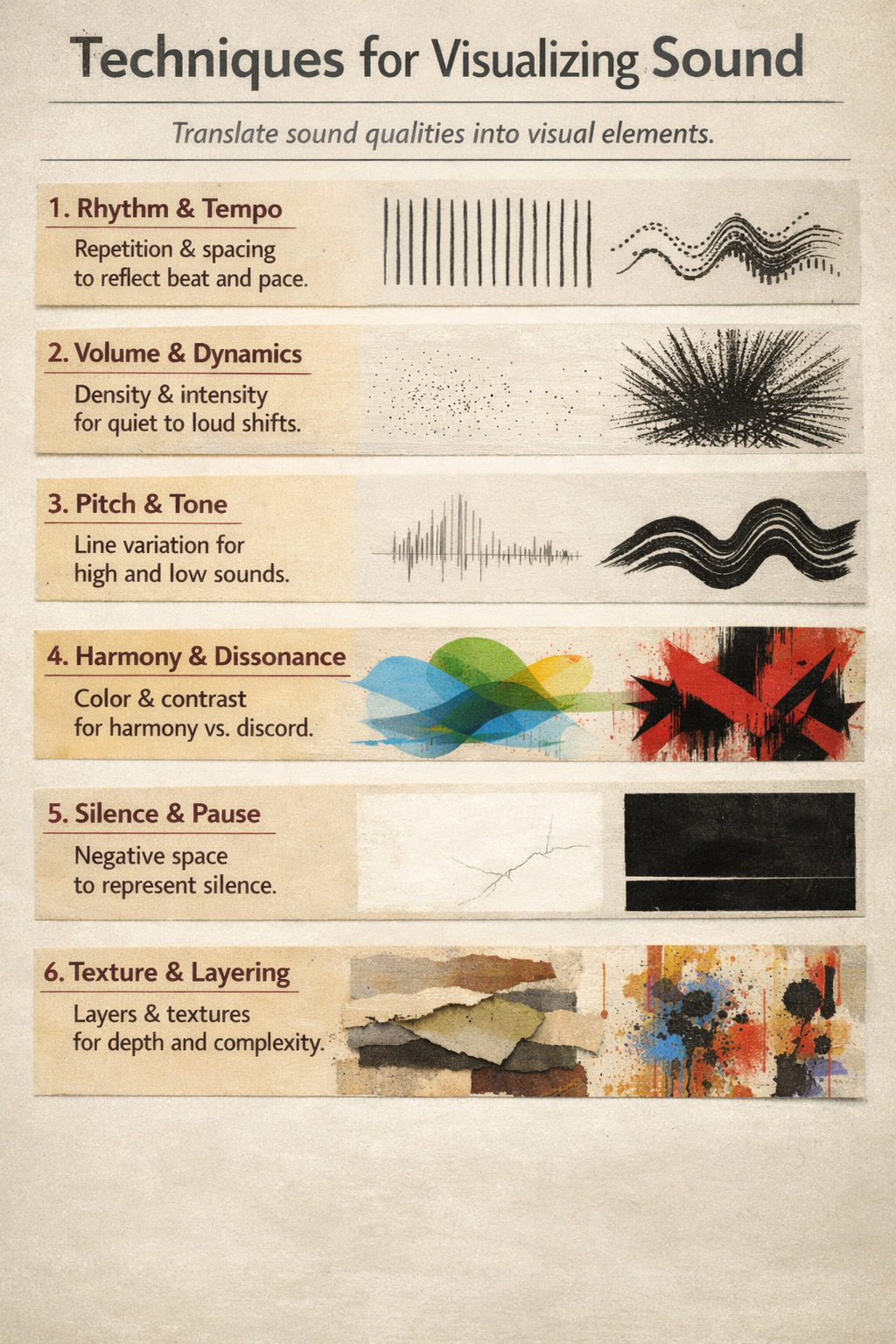
Students must demonstrate intentional decision-making in how specific visual elements correspond to specific sound qualities. Changes in tempo may be expressed through mark repetition and spacing; crescendos through increased density or saturation; silence through negative space; harmony or dissonance through color relationships or compositional tension.
The final piece should reflect AP-level conceptual development, material control, and compositional sophistication. The work must stand independently without requiring the sound to be played for understanding.
AP Studio Focus
This assignment supports:
* Sustained Investigation: Exploring abstraction, sensory translation, rhythm, or systems-based visual language.
* Material Practice: Demonstrating advanced control of chosen media through layering, mark-making, and compositional structure.
* Visual Evidence of Inquiry: Showing intentional development from sound analysis to visual translation through planning and refinement.
Objective
Students will:
* Select and analyze a sound source (music, spoken word, environmental audio, or recorded memory).
* Develop a visual translation system that connects specific sound qualities to visual elements.
* Create a fully resolved abstract composition that communicates rhythm and structure.
* Demonstrate advanced control of composition, contrast, and material application.
* Produce a finished piece that reflects conceptual clarity and professional-level craftsmanship.
Materials
(Adapt based on course focus)
* Drawing media (charcoal, ink, graphite, pastel)
* Acrylic or oil paint
* Mixed media materials (collage, thread, texture mediums)
* Digital tools (if applicable)
* Large-format paper or canvas
* Headphones / audio access for analysis
* Sketchbook for planning
Process
1. Sound Analysis & Concept Development
Select a sound source and analyze its structure. Identify moments of repetition, crescendo, tempo shifts, silence, layering, or contrast. Develop 3–5 thumbnail sketches exploring different compositional translations.
2. Translation System Development
Create a clear visual system (e.g., thick gestural marks = bass, fine linear repetition = high pitch, dense layering = harmony). Submit a brief written explanation of the chosen system before beginning the final work.
3. Compositional Construction
Begin the final piece, focusing on overall movement and spatial rhythm. Establish hierarchy, directional flow, and areas of visual rest.
4. Refinement & Layering
Develop depth through layering, contrast, and intentional mark variation. Ensure shifts in sound are clearly represented visually.
5. Resolution & Presentation
Refine edges, balance composition, and ensure the work communicates rhythm without relying on explanation. Submit final artist statement connecting visual decisions to sound structure.
Assessment Criteria
* Clear and intentional translation of sound into visual form
* Strong compositional hierarchy and visual rhythm
* Effective use of contrast, density, and spatial organization
* Advanced material control and craftsmanship
* Evidence of planning, revision, and risk-taking
* Conceptual depth and originality
* Professional presentation and surface resolution
Essential Question
How can abstract visual elements function as a language to translate rhythm, tempo, and emotion from sound into a compelling visual composition?
Learning Objectives / Student Targets
By the end of this project, students will be able to:
Sound Analysis & Translation
* Analyze a selected sound source and identify structural elements such as rhythm, tempo, pitch, repetition, harmony, contrast, and silence.
* Develop a clear and intentional system that translates auditory qualities into visual elements.
* Distinguish between literal illustration and abstract interpretation of sound.
Material & Technical Skill
* Demonstrate advanced control of chosen media through intentional mark-making, layering, and surface development.
* Manipulate line quality, value range, color intensity, and texture to reflect shifts in sound structure.
* Use contrast and variation in density to communicate crescendos, tempo changes, and dynamic shifts.
* Refine edges, transitions, and compositional clarity to achieve AP-level craftsmanship.
Integration of Visual Elements
* Thoughtfully connect specific visual elements (line, color, value, space, texture, movement) to specific sound qualities.
* Use repetition, variation, and layering to build visual rhythm.
* Demonstrate intentional restraint or intensity where conceptually appropriate.
Composition & Design
* Organize visual elements to create hierarchy, movement, and compositional balance.
* Establish a clear focal emphasis or structural flow that mirrors the selected sound.
* Use negative space intentionally to represent pauses or silence.
Creative & Critical Thinking
* Experiment with abstract visual language rather than relying on recognizable imagery.
* Make intentional, concept-driven decisions rather than decorative or arbitrary marks.
* Problem-solve how to visually represent complex auditory experiences.
Reflection & Artistic Growth
* Articulate how visual decisions directly translate the chosen sound source.
* Reflect on how experimentation strengthened conceptual clarity.
* Demonstrate growth in abstraction, risk-taking, and compositional sophistication.
Ohio Fine Arts Standards (Visual Arts)
VA:Cr1 – Generate & Conceptualize Artistic Ideas
* VA:Cr1.1.HSI Use multiple approaches to begin creative endeavors (e.g., sound analysis, thumbnail sketches, exploratory mark-making studies).
* VA:Cr1.2.HSI Shape an artistic investigation of an aspect of present-day life using a contemporary practice of art or design (e.g., translating auditory experience into visual abstraction).
VA:Cr2 – Organize & Develop Artistic Work
* VA:Cr2.1.HSI Engage in making a work of art or design without having a preconceived plan, allowing for discovery and experimentation during the process.
* VA:Cr2.2.HSI Demonstrate awareness of ethical responsibility to oneself and others when posting and sharing artwork (if digital or audio sources are used).
* VA:Cr2.3.HSI Demonstrate quality craftsmanship through careful selection, handling, and refinement of media, tools, and processes.
VA:Cr3 – Refine & Complete Artistic Work
* VA:Cr3.1.HSI Apply relevant criteria from traditional and contemporary contexts to examine, reflect on, and plan revisions for works of art and design.
* VA:Cr3.2.HSI Engage in constructive critique and self-reflection to strengthen clarity of artistic intent and visual communication.
VA:Pr4 – Select, Analyze & Interpret Artistic Work (if presenting)
* VA:Pr4.1.HSI Analyze, select, and curate artworks for presentation based on criteria such as artistic intent, technical proficiency, and conceptual clarity.
VA:Re7 – Perceive & Analyze Artistic Work
* VA:Re7.1.HSI Recognize and describe how knowledge of culture, traditions, and history may influence personal responses to art.
* VA:Re7.2.HSI Analyze how elements and principles of design (line, rhythm, contrast, movement, texture) communicate meaning in works of art.
VA:Re8 – Interpret Intent & Meaning
* VA:Re8.1.HSI Interpret art by analyzing how the interaction of subject matter, form, and context contributes to meaning.
VA:Re9 – Apply Criteria to Evaluate Artistic Work
* VA:Re9.1.HSI Establish and apply criteria to evaluate artistic decisions, craftsmanship, and effectiveness of communication.
VA:Cn10 – Synthesize & Relate Knowledge & Personal Experiences
* VA:Cn10.1.HSI Create works of art that reflect personal experiences, sensory observations, or conceptual investigations.
VA:Cn11 – Relate Artistic Ideas & Works with Societal, Cultural & Historical Context
* VA:Cn11.1.HSI Analyze how art reflects cultural or contemporary issues, including interdisciplinary connections (e.g., the relationship between music and visual art).
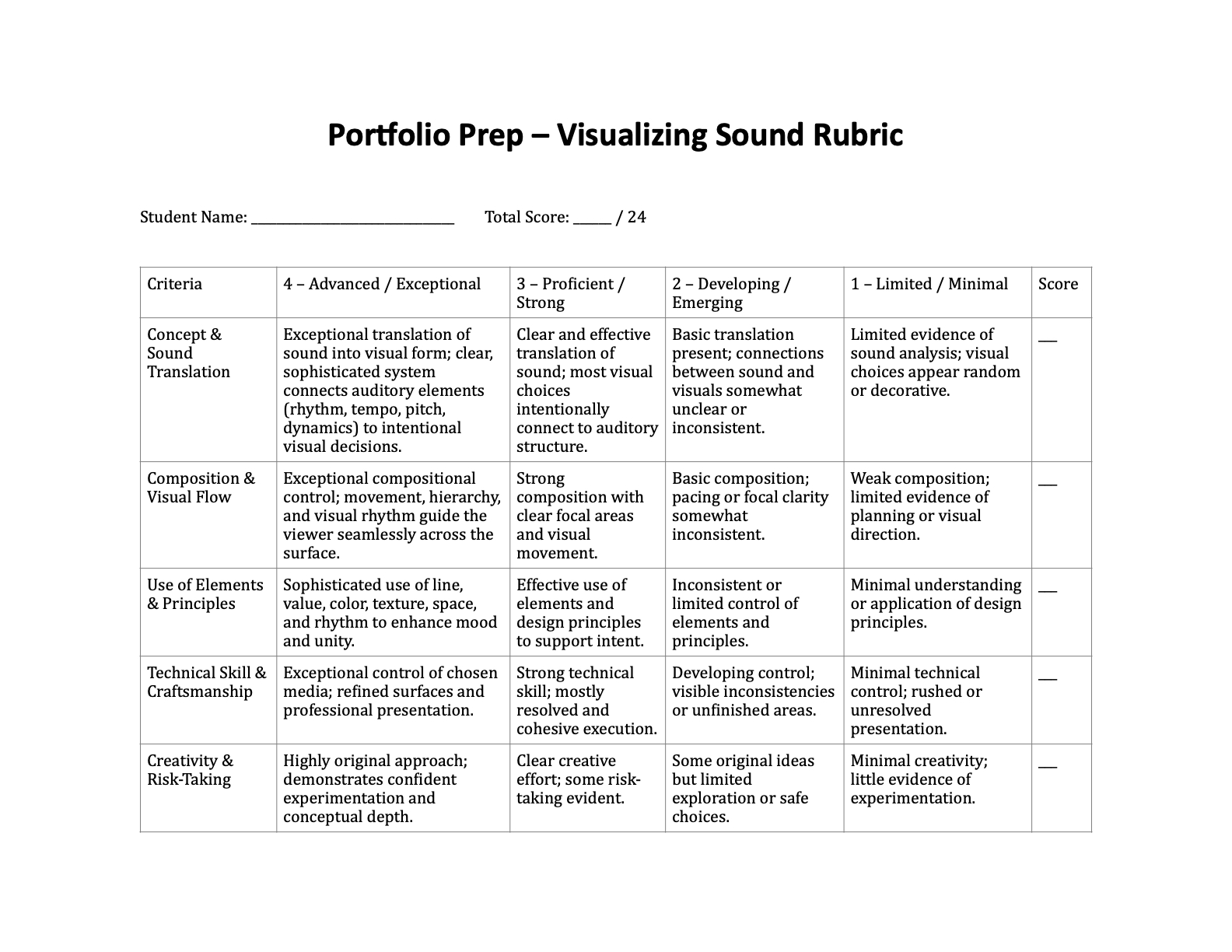
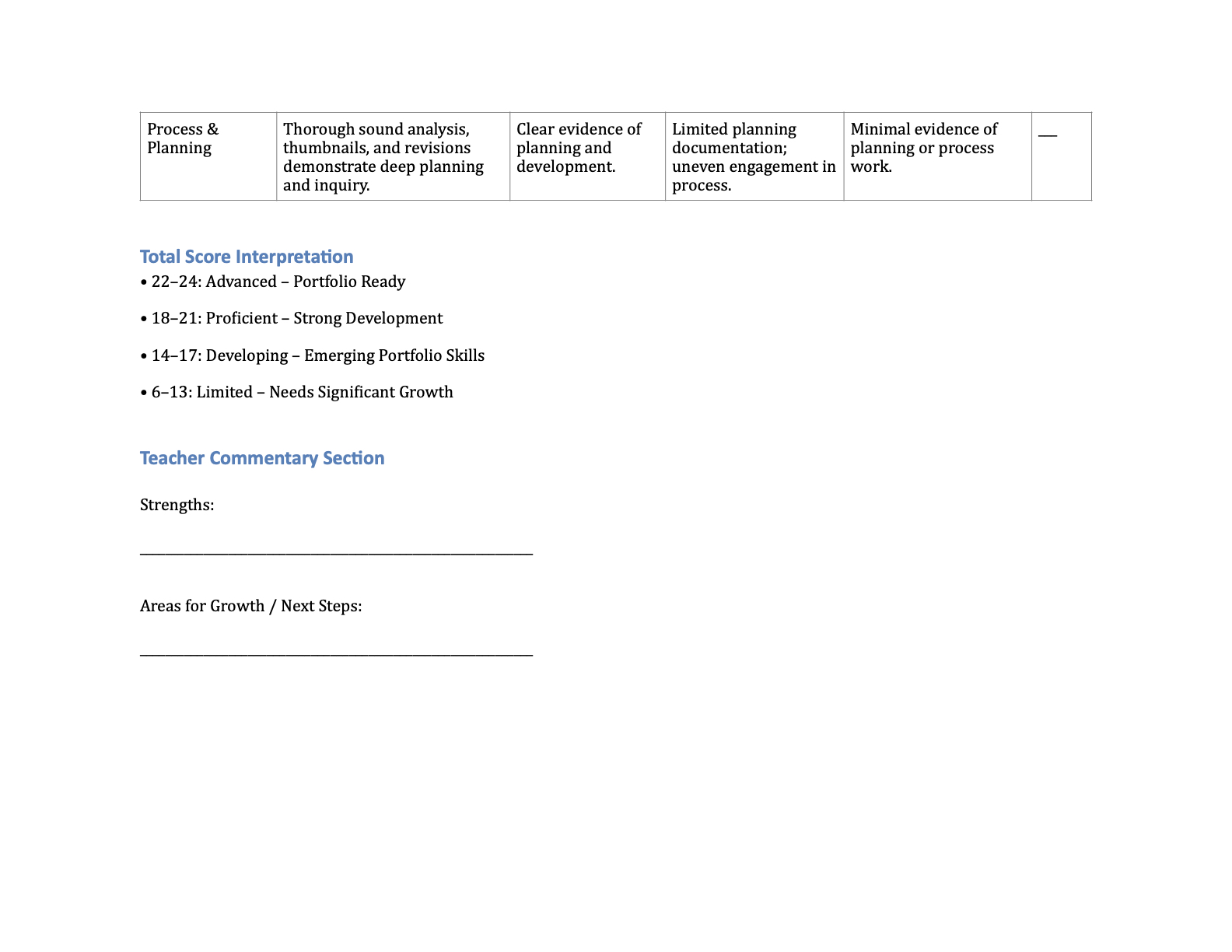
Grading Rubric
Rubrics have become popular with teachers as a means of communicating expectations for an assignment, providing focused feedback on works in progress, and grading final products. A rubric is a document that articulates the expectations for an assignment by listing the criteria, or what counts, and describing levels of quality from excellent to poor.
Student Reflection
A student reflection is a brief, thoughtful explanation of how and why a student created their artwork, including the choices they made, challenges they faced, and what they learned during the process. In art, reflection is important because it helps students develop critical thinking, recognize growth, strengthen their creative decision-making, and take ownership of their artistic development.

Element of Art & Principle of Design

Sound & Painting Artists


Techniques
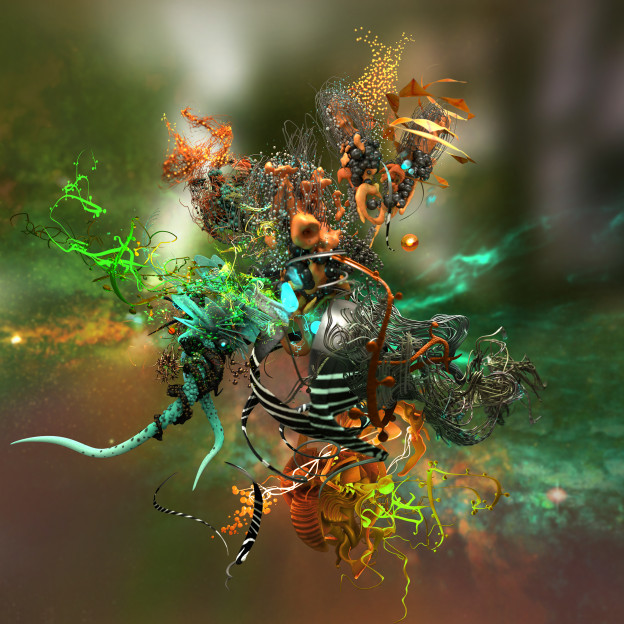
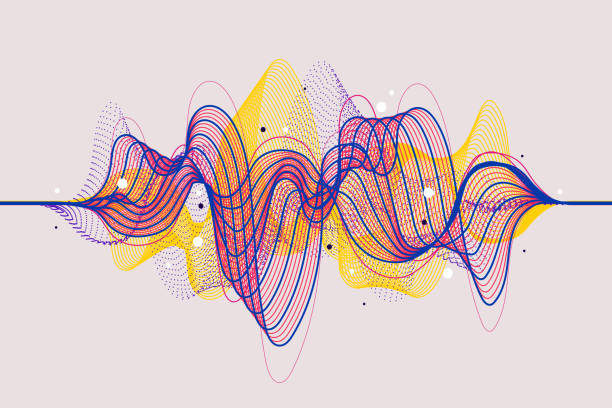
Examples




“Creativity takes courage.”

Cloverleaf High School
Follow Us